shl asia architecture landscape artwork

SHL Asia 2019 Rewind

shl asia architecture landscape artwork

Finally, we are arrived at the end of 2019, another more year before the decade ends. It has been a crazy journey for SHL Asia team. Not only we parted with some of our friends but we introduced with more new friends. We managed to accomplish some things we didn’t do the year before and even achieved unexpected things. Here is the  SHL Asia 2019 rewind

We started off this year with few architecture exhibitions, SERASI by IAI Bali and Bali Architecture Week initiated by Popo Danes. We exhibited some of our ongoing projects and shared them with public. Meanwhile, our project in Natuna Island, Jelita Sejuba Resort, began its construction work after we previously flew off and had our first ever site visit to that beautiful island. On March, our collaboration landscape project in Sanur, Hyatt Regency Bali, with Ketut Suratman from Rimba Bali and Tierra Design had finally finished its renovation. The landscape presents the ambience of nostalgic Bali, we could not be more thrilled with the result.

shl asia hyatt regency bali

A month later we got another chance to come back to Natuna Island for site inspection, although there were some issues on site there was not anything major and the progress is still going well until now. After months of designing and building, we finally moved to our new office studio, Workspace and Culture in May. It was not 100% done yet but we managed to get things done after some time. We feel really good about and definitely look a lot more representative with WAC. A month later, our office was packed with interns, the most we had in the history of SHL Asia. We had 7 interns, with 3 of them from abroad (Netherland and France). We felt really merry in the first half of 2019.

shl asia architecture landscape artwork

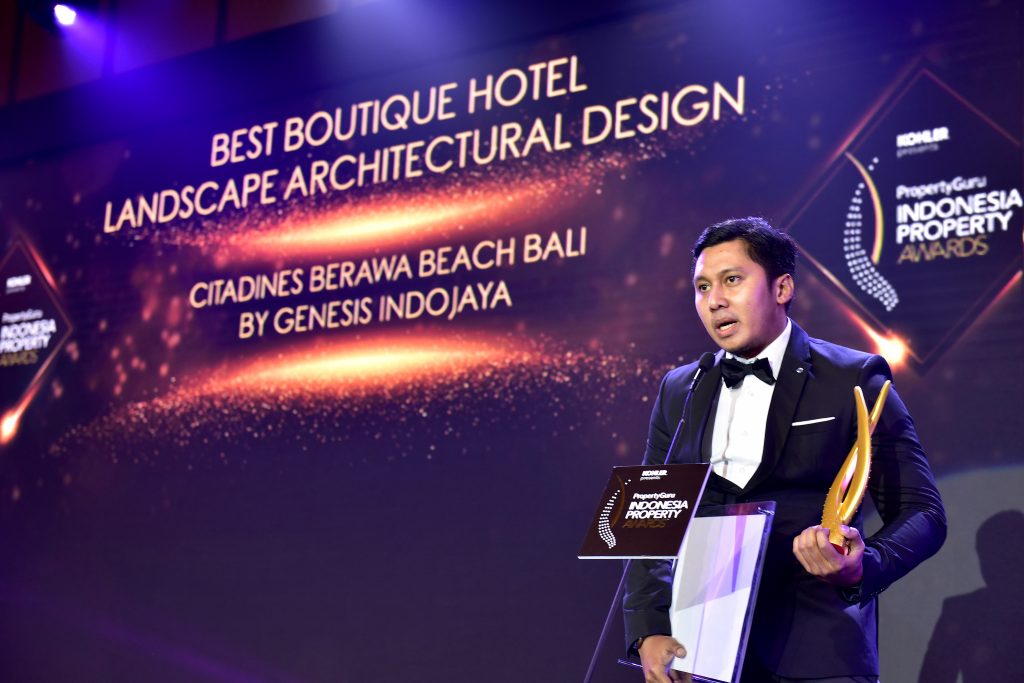
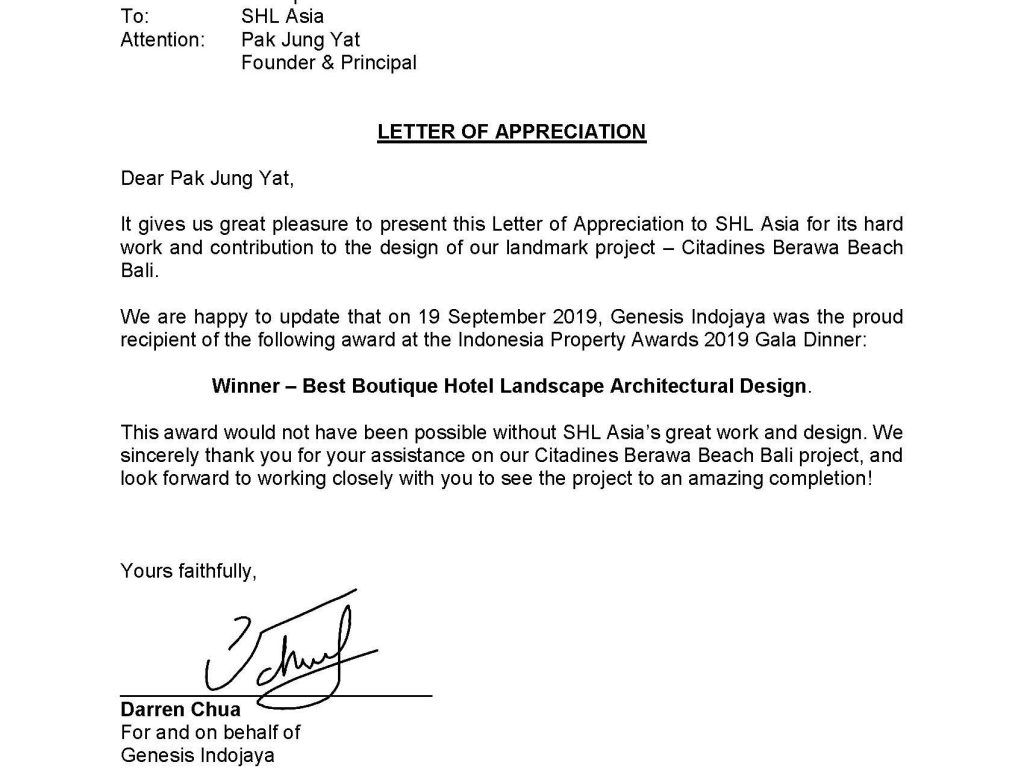
The second half of this year was even better with our participation in IAI Bali Award 2019 and finally got nominated. One of our projects, Folk Pool & Garden, was then announced to have won the award in restaurant category. This award was meant for all the team not just 1-2 people in the company so we were really proud of it. Not to mention, we got a surprise news on our landscape project in Citadines Hotel Berawa has won Indonesia Property Award and later another winning on Asia property Award. The joy was real and we couldn’t be happier for SHL Asia team as well as our client that has been super cooperative.

shl asia architecture landscape artwork

We also got the opportunity to be featured in the Yak magazine on their printed and online platform in their September issue. While all that was happening, our projects kept going at the same time. The architecture project in Ubud, Adiwana Jeevalokha, did their Groundbreaking ceremony in October. We are very excited about the project to be completed smoothly. Another our project is Blackpenny Sunset Bar that just recently had their opening night.  It is a restaurant and pizza located in Gili Trawangan, Lombok Islands with the view of sunset and white sand beach.

shl asia architecture landscape artwork

These are just some highlights of 2019 since we could not mention everything one by one. One word is not enough to sum 2019 up for SHL Asia. But to underline is we either made progress or learned something from trials and errors in the past year. No such thing is perfect and we can only try our best to make things happen. As always, we keep on aiming to deliver better service, design and product while creating balance between human and nature. Furthermore, we would like to express highest gratitude to all partners, clients and friends that have been walking by our side. Here is to 2020!

Cheers,

SHL Asia team

shl asia architecture landscape artwork

Accentuating Design Element: A Project in Gili Trawangan

shl asia architecture landscape artwork

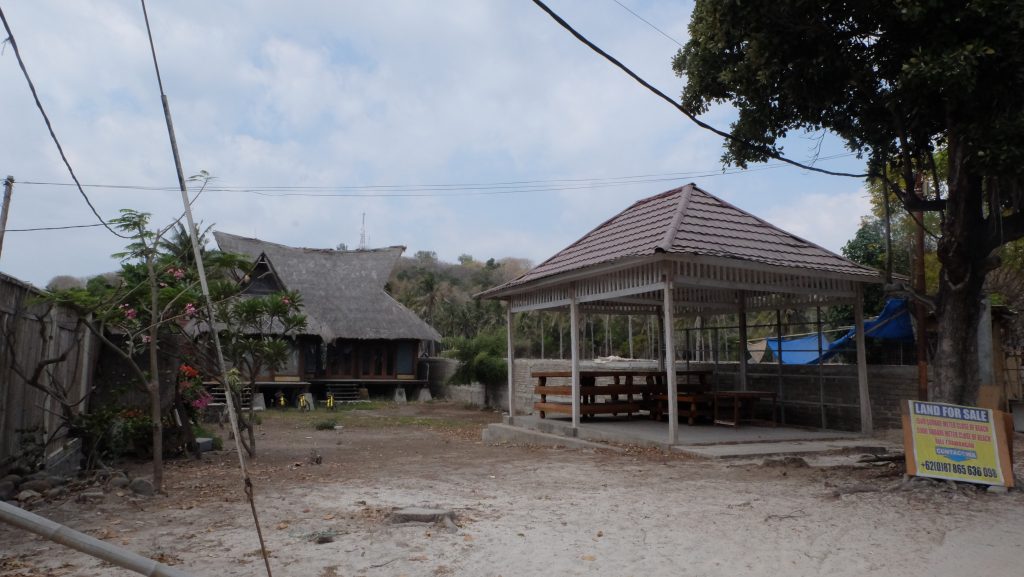
Our on-going project is located in Gili Trawangan. It is a restaurant and bar under Blackpenny management. The island is one of the three big Gilis of Lombok Islands. It is a hotspot for travelers from all over the world not for those looking a peaceful island retreat. It is filled with bustling lines of lounge bars, hip guesthouses, and ambitious restaurants – hence we want to bring something that stands out among these lively spots.

In order to deliver design that in sync with the whole ambience of the location, it is necessary for us to visit and spend some time on site. Back in August, we had our first site visit to Gili Trawangan. The island itself was mesmerizing. We stayed there for a couple days to really absorb the ambience.

The island is busy with bikes and cidomos (small horse-drawn carriage)with no motorized transportation. Even with minimal machinery and its small size, Trawangan has developed into a hippy party paradise destination that attracts people from all ages. We went around the island by foot to see for ourselves how vibrant the island is. We want to create design that reflect and accommodate the needs of the travelers.

shl asia architecture landscape artwork

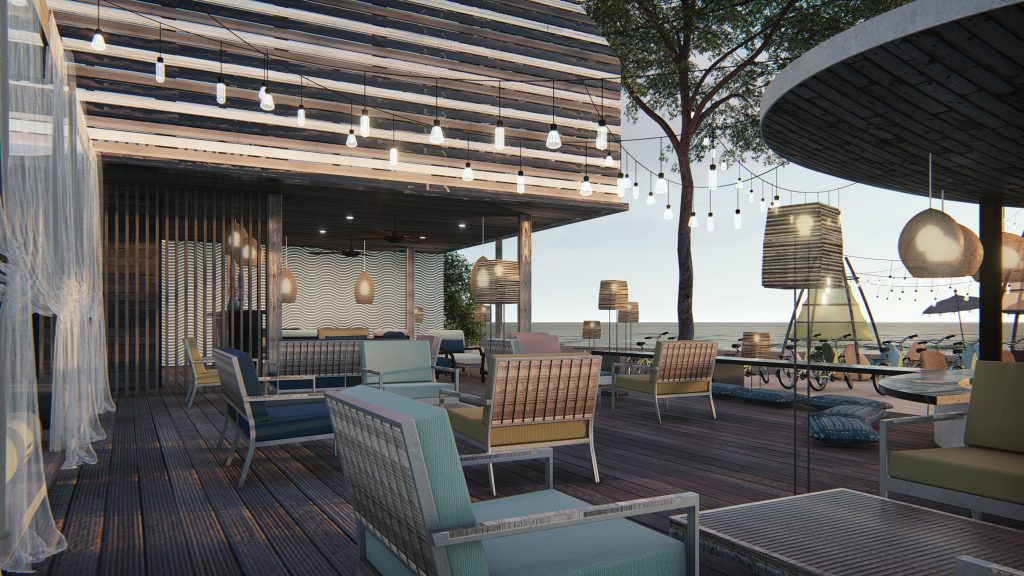
After a lot of research and observation, we concluded there are few points to create an attention-grabbing design for this restaurant and bar. Although it has limited space, we maximized it through innovative design, colors and detail accents. There is already an existing building on site which we need to renovate. We transform this building by adding a massive dented cube roof with wooden pillars underneath. The giant cube acts as the focal point for this project. Additionally, this design came up as visual representation. It can accommodate the growing trend of social media through its crooked and unusual design.

shl asia architecture landscape artwork

Next to the main building, we design a pizza bar to present an open kitchen concept. We want to offer something new to the island by bringing this concept. The roof takes on a boat-like shape with a little chimney from the stone oven. The design is inspired by the things around the site, like fishing boats that are anchored at the beach.

Aside from the design, we pay extra attention to tones and colors of the project. Color is one of the important elements to attract attention aside from the design. It was rather tricky to decide on what color would stand out in an island that has already vibrant and full of color. Most of these lines of restaurants and bars chose bright colors to attract people. However in contrast, we use black and white (monochromatic) and a hint of natural wood color on our massive roof installation. The neutral colors seem calm and soft yet different from the rest among these colorful streets of Gili Trawangan.

shl asia architecture landscape artwork

Last but not least is the touch of accent. We always pay attention to details in any of our design to add more value hence we show it through its interior. The site is not big, but there are several seating options to choose whether at the bar, inside the building or outside facing the street. Daybeds and bean bags are displayed in pastel colors inside and outside at the beach area. Cozy ambience is created with warm light from string and hanging lamps across the restaurants. The combination of wooden interior and warm ambience is well put together in a monochromatic background.

shl  asia architecture landscape artwork
shl asia architecture landscape artwork

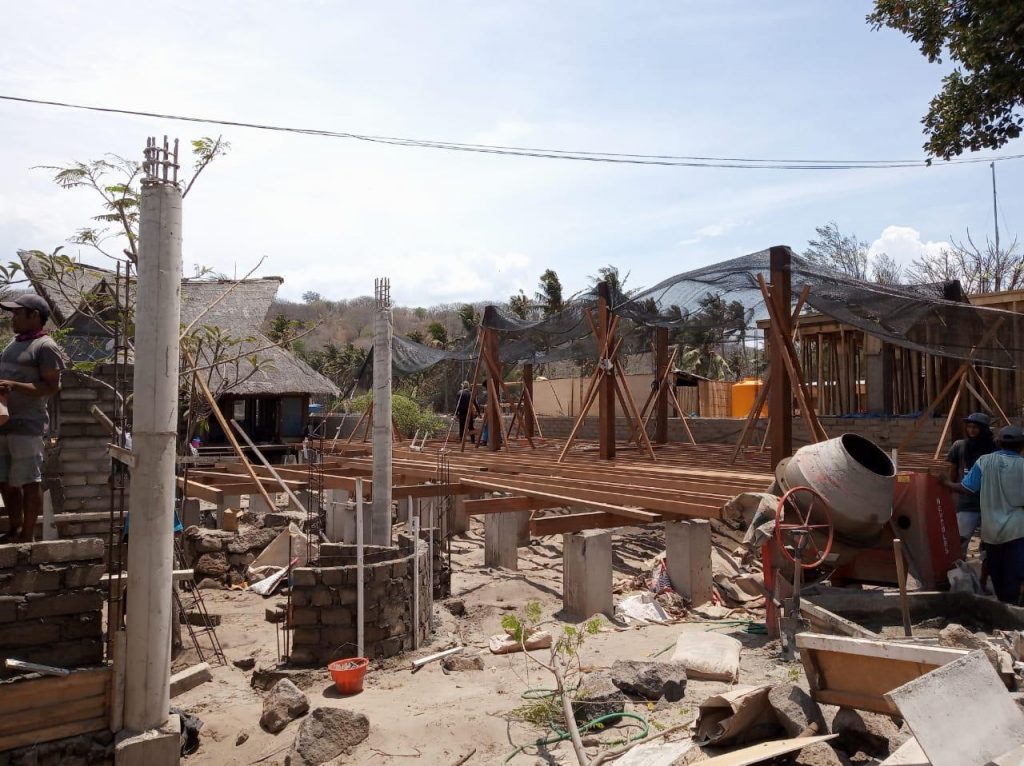
Currently the project is still under construction with the estimated time of completion is by the end of this year. So far, there is not much trouble during the construction work. The design is aimed to be outstanding yet classy as we want the element to complement each other creating brand new design experience.

shl asia architecture landscape artwork

Cheers,

SHL Asia team

One More Award Celebration: Citadines Berawa Beach

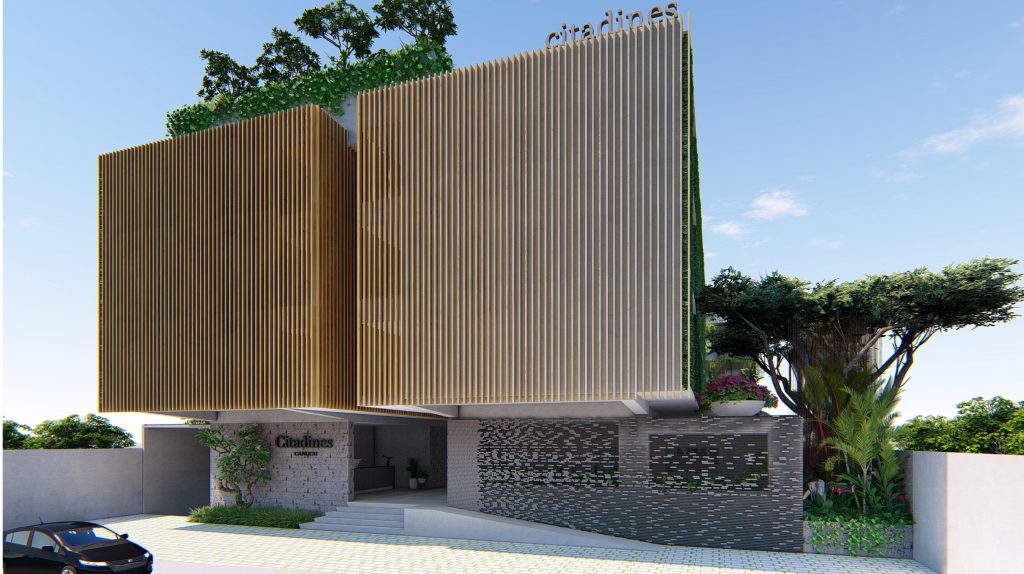
Following up our celebration with the IAI award last month, we are thrilled to presents you with another recognition from Indonesia Property Awards in architecture landscape design category for our on-going project, Citadines Berawa Beach Hotel in Canggu. Indonesia Property Award is part of the regional Property Guru Asia Property Awards program that has been held since 2005. It is considered one of the most respected and sought after award for property, design and developer companies.

This project is located in a coastal village of Berawa, Canggu. The area is one of the newest discovered hotspots for surfer addicts and hippy travelers. Since it is located close to the beach, the weather can get very hot and humid at times thus encourages us to create the shady jungle atmosphere in a coastal area where guests can enjoy the best of both worlds.

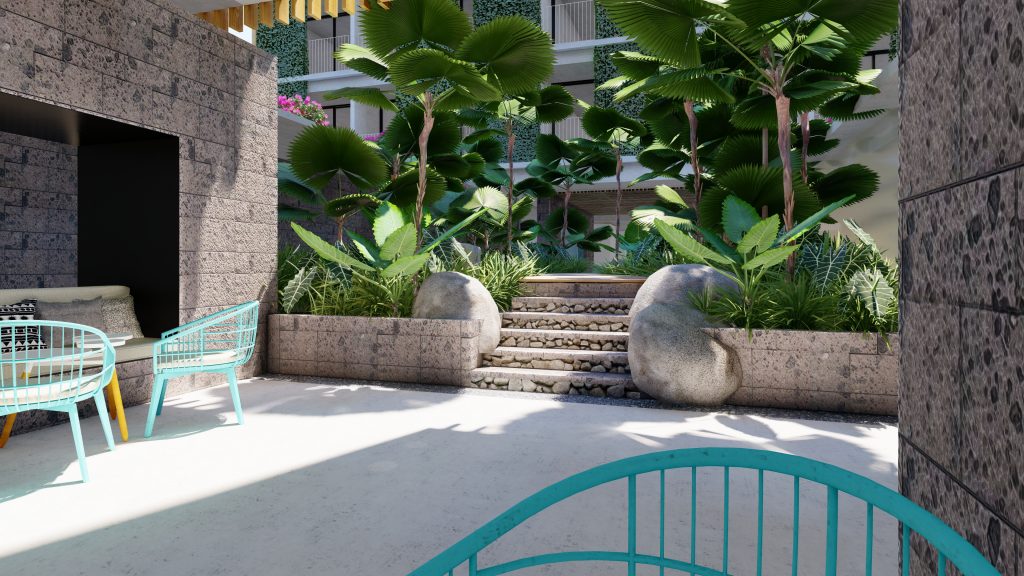
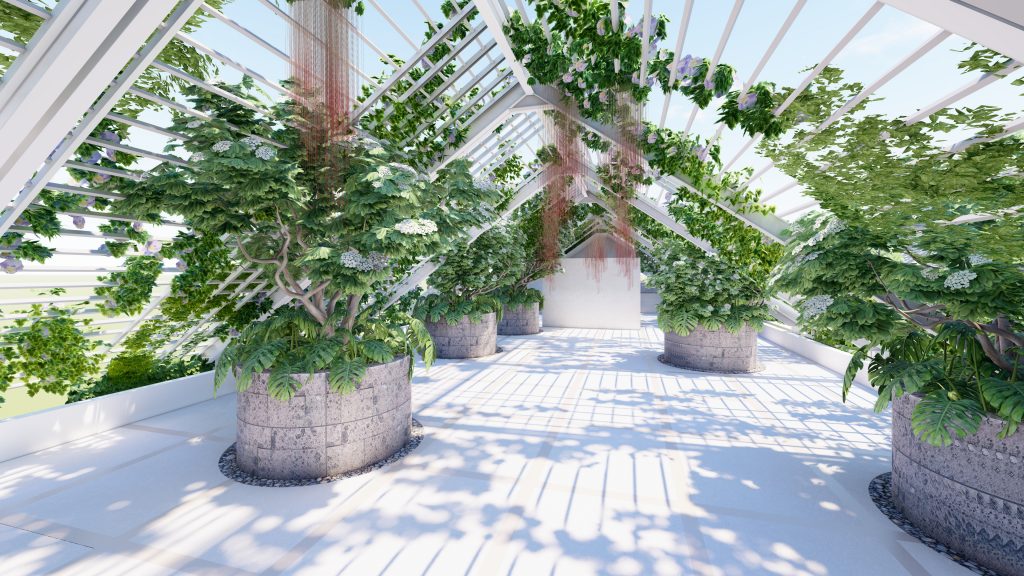
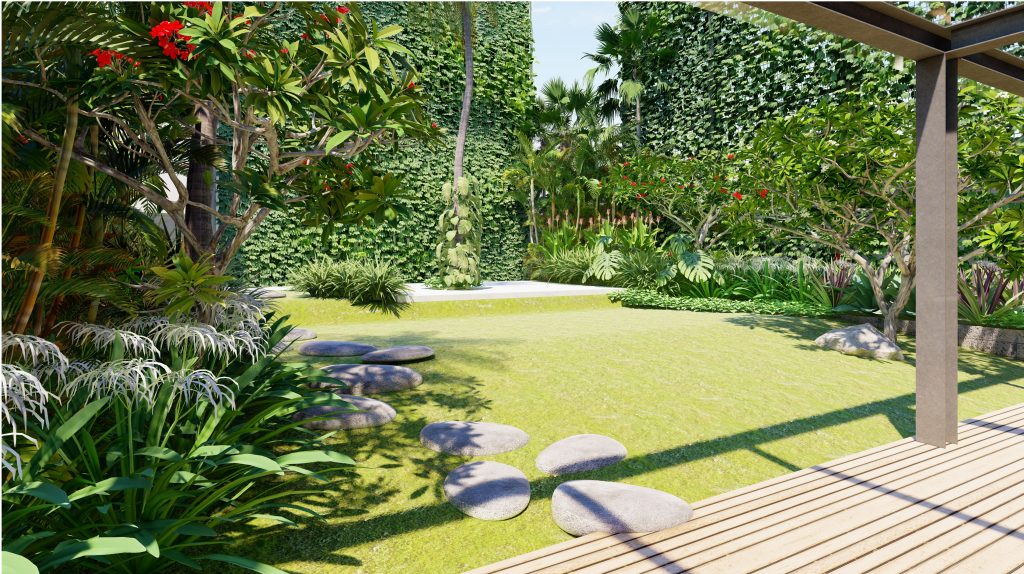
The lushness mainly comes from the volume and the selection of plants. We implement the concept of Green Building – visually – that is presented through the different type of arrangements and selection of the plants. There are forests inside the hotel and the vertical garden which will cover most of the exposed roof and wall. This is also an effort to minimize the building’s massive impression with the surrounding environment.

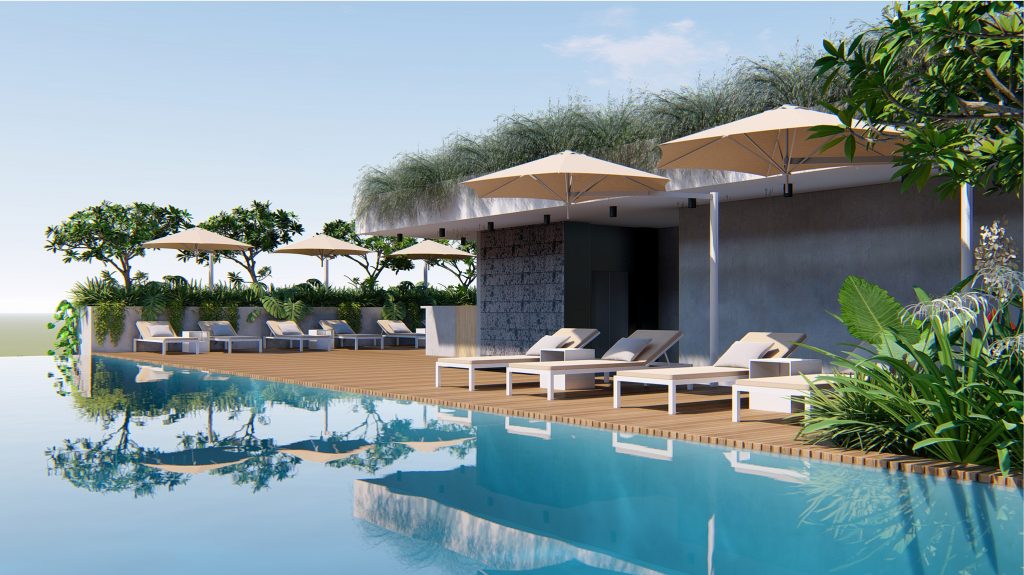
Different types of forest take place in different area within the hotel. Guest can experience mini forest in inner garden area near to the lobby and jungle (different variety of plants) in the rooftop area where it will eventually portray the trees coming out from the roof of the building. Although guest can enjoy this different kind of rainforest in many spots throughout the hotel, there are also variations of simple gardens like in pool area to accommodate all activities in the pool as well as in restaurant area where we design quite a spacious lawn for the playground.

To enhance the tropical feeling, we apply big foliage plants that are typically found in the jungle such as Alocasia, Monstera, and broad leaves tree. We also insert water element into the landscape through indoor curtain waterfall and pond. The water element within the landscape will offers a cooling effect and relaxation. Local materials such as kerobokan sandstone, lava stone for its hardscape and also utilizing recycled materials like ironwood for the deck.

The overall concept offers different experiences of tropical hideaway in the midst of buzzling crowd of Berawa, Canggu. We want to present a diverse concept with our project while considering the clients, the location while still in tune with the surrounding. Through this recognition, aside from being an achievement, we want to also make it a motivation to deliver better products and services for clients, developer and all parties involved.

Cheers,

SHL Asia team

blogup

Introducing: Workspace and Culture

SHL Asia is introducing you the new space to channel creativity and culture. Through Workspace and Culture we want to present people the new side of us. People can find numerous landscapes and architecture consultants in the country, but what distinguishes us with the rest is how we present our brand as a whole. So people will not only recognize us through our landscape and architecture work but also through our platforms where we bring up topics about design, cultures and arts.

It all started with our new office (look forward in the first half of 2019!). This will be one of the representations of the big theme “Workspace and Culture”. The definition of workspace is simply an area which we work in. Nowadays, some people might confuse a workspace as a creative space. It is because the term ‘workspace’ corresponds with a place that supports one to be productive and creative to work. So, why not we just use the term ‘creative space’? Although it is somewhat true, but this could mislead the word ‘work’ into a not-so-good connotative. Some people would think that ‘doing work’ is boring, dull and simply not innovative enough. When in fact being creative, innovative as well as making engagement are parts of ‘doing work.’

In creating our ideal workspace, we will incorporate the element of culture into our studio and work. Culture can be presented in many kind of form, for example a studio with an open display gallery, whether it comprises with local paintings or ethnic artworks. We will present cultural awareness, collaborative talk, trend design as well as a closer look of what SHL Asia really is.  Culture awareness is crucial for us in the creative industry, as most of our works are influenced by especially the Balinese culture.

In creating our ideal workspace, we will incorporate the element of culture into our studio and work. Culture can be presented in many kind of form, for example a studio with an open display gallery, whether it comprises with local paintings or ethnic artworks. We will present cultural awareness, collaborative talk, trend design as well as a closer look of what SHL Asia really is.  Culture awareness is crucial for us in the creative industry, as most of our works are influenced by especially the Balinese culture.

Moreover, we will introduce the new culture in the new workspace. The purpose is to eliminate the bad working cultures, preserve the good ones and add the new working cultures. The culture will not just be any culture, but it will be based on our philosophy, The Campuhan Script as it also applies in our new logo. We will implement the river philosophy as a good work ethic which will give us the positive energy and creative workflow like Campuhan (the point where the two rivers meet) to our new workspace. While the (Balinese) script will be applied as well to our new working culture, which means that the Balinese social life and architecture culture will be inserted into art and design form for the output in our work and studio.

Creating a distinct cultured workspace is a challenge as well as an opening. It is not an easy job but definitely a good opportunity to reintroduce the new means of ‘working’ in the creative industry. With the new culture, we wish to deliver a better service and product as well as raising our brand awareness.

Cheers,

SHL Asia Team

DSCF2375-1-1200x800

Artwork: The Storyteller

Art As Part of Us

Art has been a part of human culture in some capacity or other since ancient times. It serves as a medium of not only personal self-expression, but also as a way to communicate the artist’s view of reality to other people. Working in the design industry allows us to create our own medium to express our idea. We can convey it not only through architecture and landscape design but also down to the pieces of the artworks. Artwork is an inseparable element in architecture and landscape. Some say it is the soul, others say it is the characteristic of the design as a whole. Artwork communicates the concept, and often the display of artwork more than pleases the eyes, but also touches the heart. Furthermore,not only for aesthetic values but the display of artwork is functioned as many things including for lighting, water fountain and even stepping.

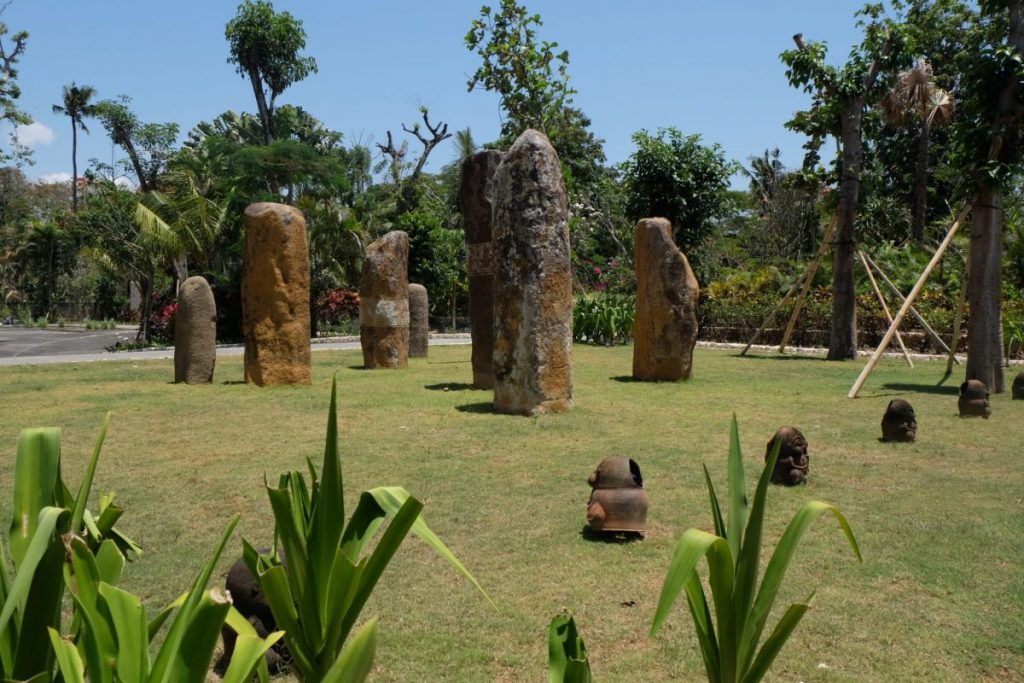
We always incorporate many kind of artworks into our landscape design following each concept. Artwork can be translated into many forms including statues, sculptures, paintings, photography and installment. Depending on the space, 2 dimension artwork like painting and photography often displayed inside the building. While 3 dimension artwork such sculpture and art installation is normally exhibited outdoor as it typically takes up space. We mostly display statue, sculpture or water feature since we have numerous number of landscape project.

The Artwork of SHL Asia

Each project of course, has different concept with its artwork, some of the examples include our Natya project, Tanadewa project and Hyatt project. Following its landscape concept which is incorporating the village’s life of Bali and elevate it to the hospitality level, the artworks in our Natya resort project inspired by the things we often see in the villages. These things could be objects like chicken cages and cow bells or even the village people themselves, as we portrayed them in a relief on a wall along the pathway. The relief tells stories about daily activity in the village like a mother feeding their children or the farmer harvesting his crop.

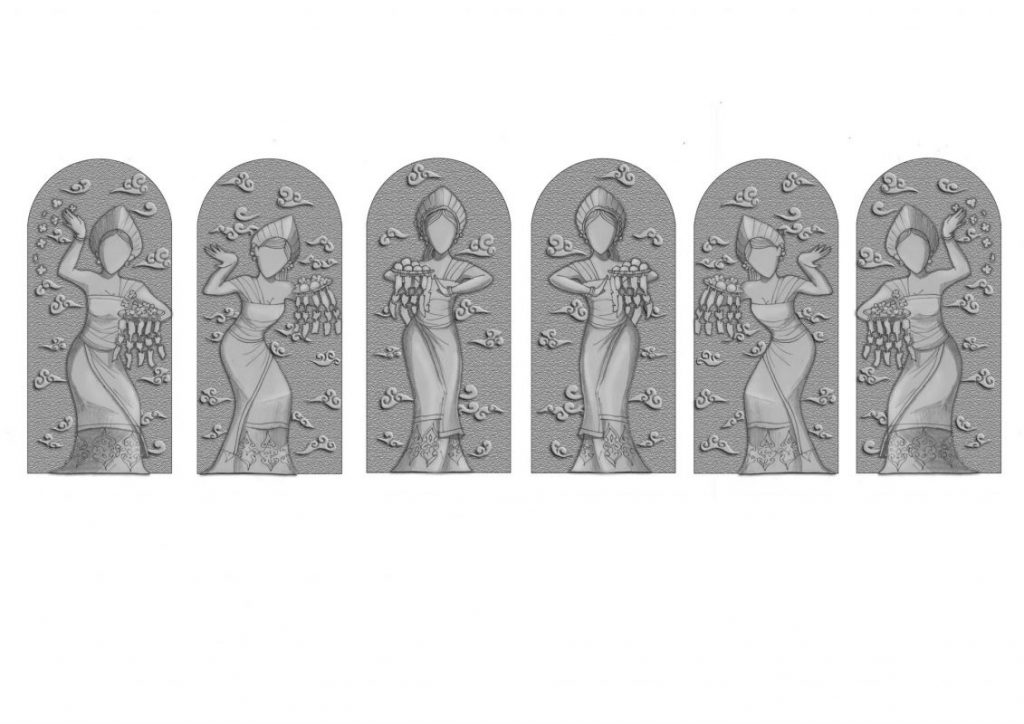
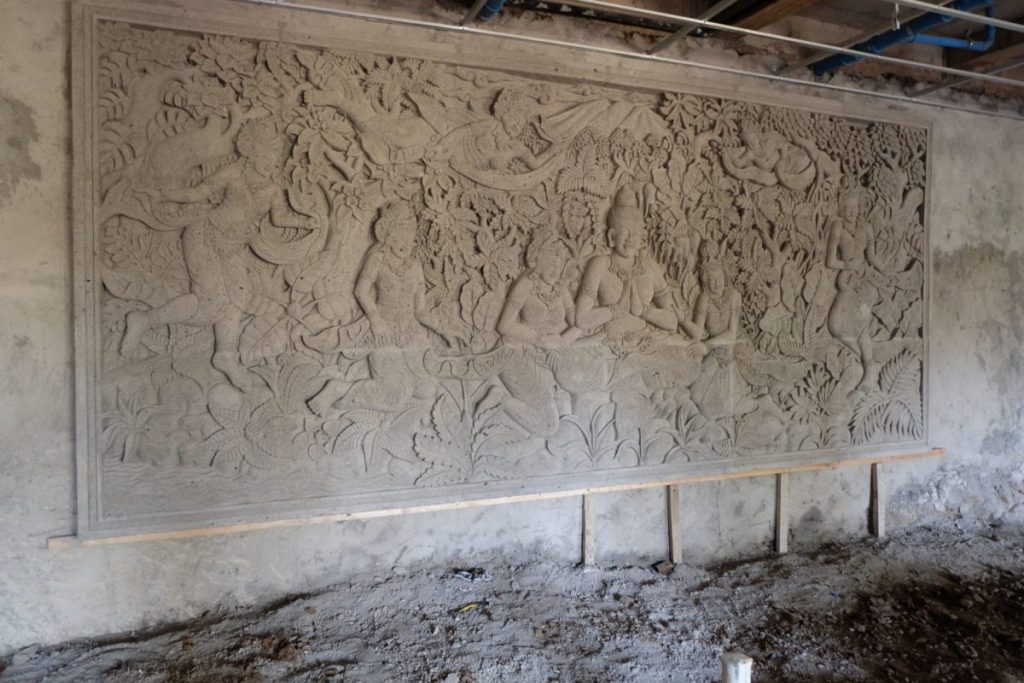
Our other project, takes on the concept of the gods and goddess from the folk story. As like the name “Tanadewa” from Tana (land) and Dewa (God) which means Land of the Gods, the design of the artworks portrays this concept. We display a relief of the dancing goddess in some spots inside the resort. There is also a relief of Balinese mythology about Arjunawiwaha which is the story about Arjuna getting rewarded with 7 beautiful apsaras (female spirit in a Hindu culture) after accomplishing some tasks. All the statues and relief are nicely done by our artwork supplier, 66 Pottery Bali.

Different concept and artwork is displayed in Hyatt Regency Sanur. This resort is one of the pioneers in the island. We are restoring it without erasing the original characteristic of Hyatt. Working on the landscape design, we are collaborating with Tiera Design from Thailand and Ketut Suratman from Rimba Bali. In creating the statues and sculptures, we team up with the local Bali sculpture, I Wayan Sugawa from Taro Arca Dewata which has more than 20 years as a sculptor. All the newer artworks including statues, water fountains and fire torches are implementing the classic Balinese style, with the more antique feels.

Most of our landscape designs integrate tropical Balinese concept, with lush vibrant softscape combines with natural materials like woods and different kind of stones for the hardscape. Therefore our pieces of artwork are also mostly influenced with Balinese style and characteristic. We enhanced it with the flair of local values such tropical wildlife and nature, Bali daily life, or folk stories. We let our designs act as the storyteller to enhance people different life experiences. The aim is not necessarily to create the artwork that would be loved or not loved, but to add something new to the whole design and make people think about it.

Cheers,

SHL Asia Team

IMG-20180427-WA0011 (1)

The Weekend House Project: A Balinese Style Architecture in the City of Rain

Indonesia has thousands of islands with multicultural traditions that embellish every corner of the island. Every city holds different custom and characteristic that distinguish them from one another, but it doesn’t necessarily belong to one. Taking this architecture project as an example, the owner wanted to bring the Balinese architecture in to the City of Rain, Bogor, in West Java. Although Balinese architecture is influenced by ancient Javanese elements, this centuries-old style of design is also heavily influenced by Bali’s Hindu traditions making it very distinctly unique as well as appropriate in the highland of Bogor.

This private weekend house nestled amidst the beautiful nature of Bogor. Living in a big city, the owners yearned for relaxing exclusive retreat surrounded by nature and tranquility. The location is hidden from the buzzling crowd of the city but is still reachable. It was built for their weekend getaway when they want to spend peaceful quality time with their family and friends. Hence we designed the house to be spacious with a lot of features to maximize the user convenient and comfort, such as large living room and dining room, a greenhouse for gardening and a reading/lounging corner.

In a 3 hectares area comprise of rice fields and plantation land, the buildings stand amid the stunning surrounding of pine forest and a crystal clear river. Because of its amazing view, we wanted to preserve the nature and keep the building area just enough to accommodate all the needs. We built the house on less than 10% of the whole area. The house was also built on a mound land area where it used to be an existing building, without ruining the agricultural land. The owner wanted to keep the rice fields and most of the existing plantation and trees as they are so the land workers can still work on the agricultural.

Although the owners are not originated from Bali, they take a huge interest in Balinese culture. As a result we designed the building very much influenced by the Balinese architecture style. Like on most houses in Bali, we implemented some of the Balinese building’s characteristics. We implemented pepalihan, a form of stair-like shape arranged repeatedly in three levels upward or downward that function as a design feature. Another feature is Balinese houses’ exposed ceiling, where we can see the wooden roof structure (usuk).

Following the concept, we applied materials that are commonly found in the Balinese structures, such kerobokan paras stone for the walls, exposed red bricks and sirap roof from ironwood. For the roof, we employed knockdown roof structures that we brought over from Bali. Most of the materials used to construct the buildings were carried straight from Bali so they would really give the authentic feels. The artworks also take on Balinese characteristic with wooden statues and a lot of carvings.

Surrounded by beautiful lush greeneries and trees, we designed a lot of opening for the buildings. Each building has big windows and door glasses for view purposes and as a direct access to the nature. These openings also allow light and air to circulate into the building. The establishment of Balinese style houses in West Java landscape is just one of the displays of the harmonious diversity of Indonesia architectural culture. We could not be anymore pleased than to project Balinese architecture style in a land outside the Island of Bali.

Cheers,

SHL Asia team

WhatsApp-Image-2018-07-27-at-18.31.01

Company Anniversary: Celebrate The Journey of SHL Asia

Happy 8th year anniversary SHL Asia!!! Last week of July marked our 8th anniversary of being in the business. As they say, success is a journey and not a destination. While our success story will keep going on, we have set a milestone of completion of eight successful years into our landscape and architecture projects and of course a lot of hard work. Indeed, 8 is not a fairly big number but so many things have had happened that have shaped us into as we are right now. On 2010, our co-founders – embarked on their journey towards the dream of creating landscape hospitality architecture. As the number grows, we still strive in making beautiful designs and delivering the best service to the client.

Without a doubt, any company’s business growth depends upon the hard work of all employees. No individual can ever take the credit of all those years of success and hard work alone. The accomplishments of a company are the results of the combined efforts of every individual and team work. And although nothing can ever sufficiently show the appreciation, we wanted to celebrate our journey with all the employees of SHL Asia. Here is the greatest gratitude for the dedication, for the hard work and of course for all the ideas and inspirations. A feast by the beach, the casual and personal vibe, and nothing but good time.

We are celebrating this for all the hard work, laugh, sweat and the devotion that we have poured in to the success of SHL Asia. We started out small however we had big visions and always put our mind into providing a level of service with an aim to outdo ourselves. All we want to say is thank you to everyone who has supported us, worked with us, taken a chance on us and believed in us. Here is to many, many more exciting and inspiring years ahead!

Cheers,

SHL Asia team
18298410_293900317720177_3807098464743981056_n

The New Means of Hospitality: Redefining Luxury

Welcome to Cloud Nine

The amazing fertility of the Balinese soil has accorded the Balinese a lot of leisure time, aside from their work as peasants, and stimulated their imagination and creativity. They would channel their creativity in such artistic ways even down on to their daily activities, such as the art of making offerings and the custom of rituals and ceremonies. Blessed with breathtaking nature and rich culture makes Bali is a hotspot for a restful and relaxing retreat. No wonder numerous lavish resorts and polished villas spring in every corner of the island, making it the island of hospitality, as well as a luxurious vacation destination. Breaking the stereotype of “luxury villa”, Cloud Nine Esatate is one of our landscape projects in Ubud has proven to portray a new approach to luxury hospitality.

Tucked in a cliff top of Ubud, Cloud Nine Estate may not look as it seems from the outside. It is veiled from the bustling crowd of people, away from the hustle of downtown Ubud, a hidden gem amidst the lush greens of Ubud. From the main road, the guests follow a mossy stairway down to the estate; and are served a million dollar view of the massive Wos River and valley.  The estate consists of 3 different houses at the moment (who knows if they would expand anytime soon!), named Star Cloud Villa, Lotus Cloud Villa and Angel Cloud is a two storey villa comprising three suites – Anjali, Tara and Dewi suite. We made each villa to have a different focal point and unique features, like the amazing cliff edge panoramic view, the beautiful tropical garden or a direct access to the infinity shared pool.

We designed the landscape to be as eye-catching to complement the whole concept really well. The first impression guests receive on arrival is an all-white themed angkul-angkul (Balinese gate) and boundary wall that somewhat reminds them of arriving at a dreamy peaceful sanctuary. We felt the color white really brings out ‘the Cloud Nine’ vibe down to the every boundary wall and pathway, as it also stands out among the greens surrounding the estate. A “heavenly” feeling… That was exactly what the client wished to deliver to the guests, for them to experience ultimate calmness and tranquility as they enter the Cloud Nine, therefore we assisted them to achieve this.

Luxury at its finest

Cloud Nine mission is to redefine luxury. What exactly is the meaning of “redefining luxury?” A fancy chandelier, some high-tech facilities or marbled floor and tables will come up in a lot of people’s mind when they think of luxury resort, but it is different when it comes to the Cloud Nine Estate. Cloud Nine Estate aims to re conceptualize luxury as so much more than fancy things, luxury that is found in the smallest and simplest details.Things like hand-picked vegetable from the garden, the personal care and connection from people of the village and the vibrant sound of nature waking you up in the morning. In short, it is something that is felt by the heart. We loved the idea and delighted to help them making it come true through our landscape design.

The timeless echo architecture

The architecture of their buildings was inspired from the owner previous home in Singapore with big walls and monochromatic color of white and grey. It was a colonial tropical villa that has lasted since World War I. It lasted without the need for much maintenance or changing of materials. The building was showcasing many eco-architectural features such as cross-ventilation and strategic shading. The houses applied simple yet strong materials with a lot of white polished cement.

The landscape of course, synergized the concept of the building. We inspired to bring in the simplicity of localness from one of the traditional villages. It is designed with massive walls and few plantations. We kept it to be very simple yet eye-catching, with only a touch of green plants and trees amidst the white washed ocean of walls and floors. On the landscape, we applied white terrazzo as the pathway and a little touch of woods on the decks. Even with the artworks and design features, the clients involved so much in the process, carefully hand-picking them to create a harmonious atmosphere and we helped them creating the design that contains of local story. We also made sure to not ruin the aesthetic by adding to much color to the whole picture.

Embraced by the sturdy old colonial houses, the client wished for the villa to be long lasting with a minimum amount of maintenance and remodeling. The overall design is very timeless and eco-friendly. We have worked together to apply the concept very neatly in every aspect of the estate and consistently practice in to every slight detail, proven why they are the global winner for the luxury eco villa. Cloud Nine Estate manage to accentuate the luxury in the simplest thing in life and deliver them splendidly to the guest, since truly the best things in life are often felt by heart. We are so thrilled to be involved in such an inspiring project.

Cheers,

SHL Asia Team

IMAGE COURTESY: @CLOUDNINEESTATE
Slide21crop

Landscaping A Tropical Garden: An Oasis In the Midst of Limestone Field

Aesthetically pleasing tropical garden

One should appear lush and vibrant; this can be accomplished through dense planting of proper trees, greens and flowering plants. A tropical garden must features tropical plants and requires a good deal of sunlight and a warm, moist climate. These gardens need a good amount of water from either rainfall or decent irrigation system or sprinkler system in order to thrive well. In planting out the garden, there are some things to consider about. The major variables include the location of the site, and the placement and density of the plants and the selection of softscape and hardscape. It all of course, comes back to the personal preference, but in creating a good aesthetically pleasing garden will have to contemplate on these variables. In this month’s article we will bring you a case study from one of our landscape projects: Kapungkur Villa.

An arid hills

The villa is located in Karangsari, a village in Jimbaran. Geographically the area is in South Kuta, Badung district. The area is more known as Bukit (hills) where most of the area is situated on a karst plateau. Unlike the area in the north part of Badung where the land consists of volcanic materials, Bukit area is mostly contain of limestone. Contrasting from the other parts of Badung which the soil holds a lot of minerals making it very fertile, the soil in Bukit area is rather dry and not suitable for agriculture. The area also only has periodic rivers where the water only flows when it is raining and the groundwater filling process only happens during the rainy season. Although sited in a dry location, it did not stop the owner to seek after creating a green oasis.

Throwback from the past

The landscape concept idea of the villa was royal village. The owner wanted to give out the nuance of the past hence, the name itself, “Kapungkur” comes from a Sundanese word which means dahulu (the past). It would show the characteristic of royal village with contemporary looks, privacy and involves historical value in the components of the landscape. It also has a mixed of Javanese and Balinese traditional contemporary style. The villas are using frameworks of a traditional Javanese house, or Joglo, with the Balinese accents here and there.

The first step is..

Before selecting the variety of plants, we first must have to identify the “issue” on the site. The biggest issue with this site was the existence of an apartment building behind it. The apartment is at least a few stories building. This gave it a viewing access over the site, affecting the privacy of the villa. Therefore, in order to sort it out, we chose to plant tall trees like coconut tree (cocos nucifera) and wide, dense trees such African tulip tree (spatodhea campanulata) along the border wall in the back area. Further, to really block the view from the top, we built a a six meters vertical garden with double butterfly pea (clitoria ternatea var. pleniflora) that would also give appealing visual with its violet flowers.

In addition, the owner wished to bring the lushness to this dry area. As a result, we had to select plants and trees that would grow well with such condition and still appear vibrant and dense in order to deliver that kind of ambience to the landscape. Therefore, we chose a variety of different high and low shrubs from crystal anthurium (anthurium crystallinum), giant taro (alocasia macrorrhizos), cuban cigar (calathea lutea), plum aralia (polyscias scutellaria) to fern-leaf aralia (polyscias cumingiana). Most of this vegetation will thrive well with moderate water and full sun exposure. It made them suitable with the soil condition in Bukitarea, but of course still follows with intense maintenance. Some of these shrubs could be found around the yard in old village houses. This would bring the traditional value and nostalgic nuance to the residence. We also planted flamboyant (delonix regia) and bael (aegle marmelos) on a few spots to add some accents

The magic touch of hardscape

Aside from softscape, the presence of hardscape in a tropical garden is as crucial. It functions as the “backbone” of the garden by giving it structure and unifies it with the surrounding environment, completing the whole vista. We installed a few ponds, a pool and some traditional-contemporary artworks around the site.

The gardens of Kapungkur Villa built in two levels following the contour of the site. We built the main ponds on higher parts of a property so that they can gravity-feed water down the garden and ponds below, creating a little creek. Combining the water element to the landscape would appeal to all the senses, enhancing peacefulness and freshness.

For the artworks, we set up statues and a Balinese relief on the wall to follow the whole concept of Kapungkur. To achieved our costumed artworks we also worked together with the local artists and craftsmen to really bring out the sense of localness.

There are many things to consider in planning out and creating a beautiful functioning tropical garden. Things like location and the condition of soil will determine what kind of plants will be planted on the site. The desired concept will as well decide the placement and density of each softscape and hardscape. As in building the tropical garden of Kapungkur Villa, its location was the main thing to really consider about. Therefore we selected the plants that would only need fewer requirements but still grow beautifully. We placed them with a combination of different heights to make it appear dense and lush. And then wrapped all up with the touch of appropriate hardscapes to the landscape. The outcome came out harmoniously as projected in the video down below.

https://www.youtube.com/watch?v=478n2cDmdHI

Cheers,

SHL Asia team