DSCF2375-1-1200x800

Artwork: The Storyteller

Art As Part of Us

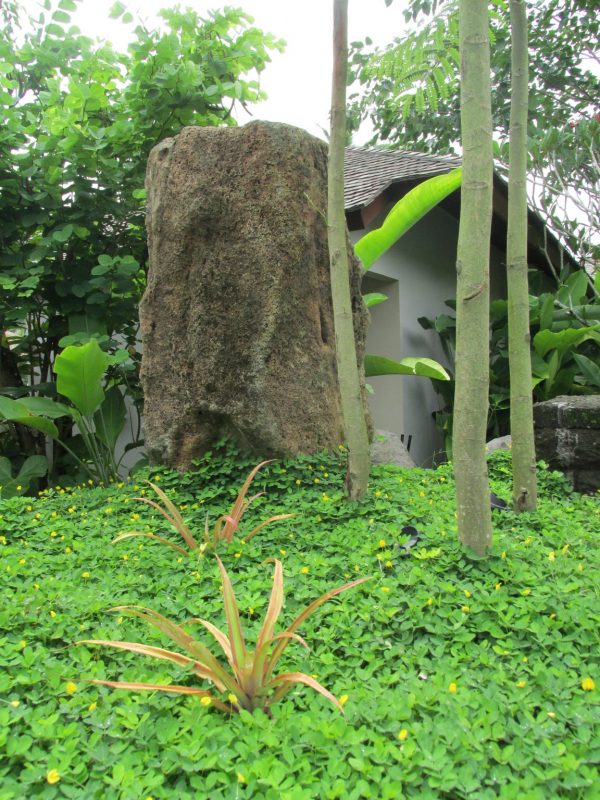
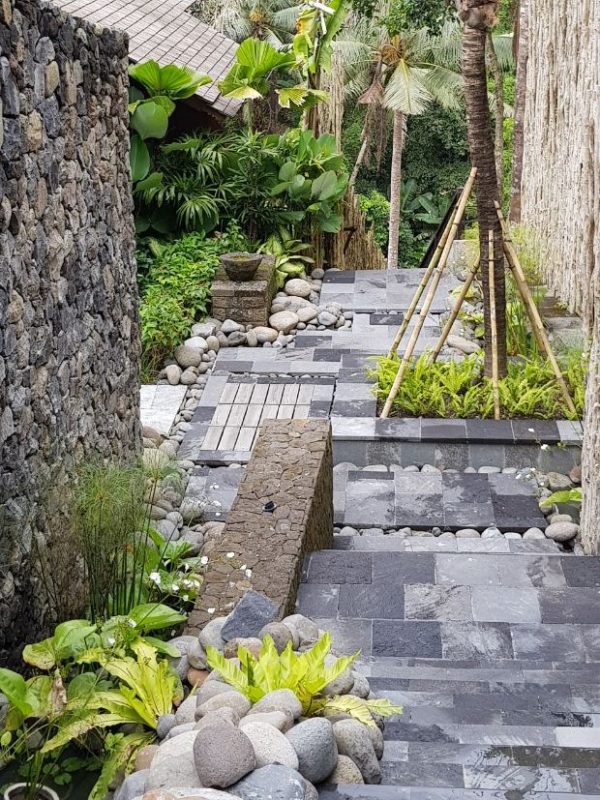
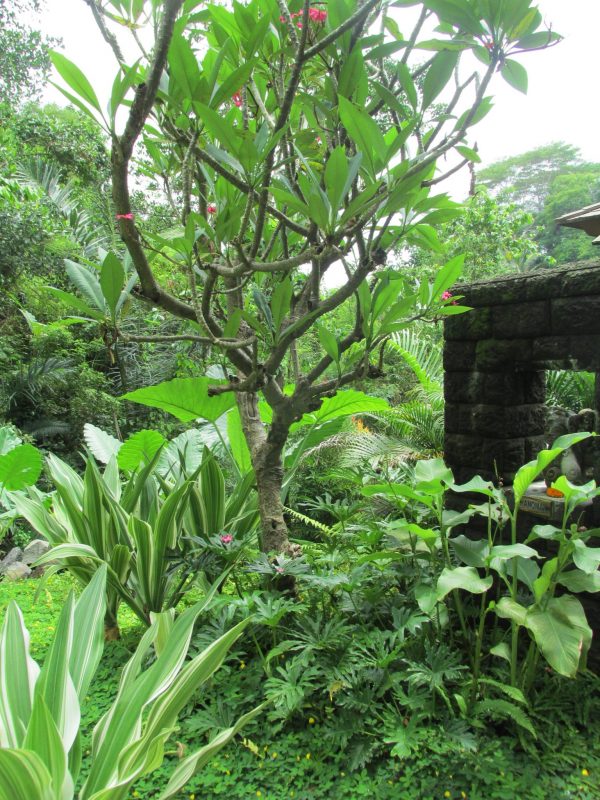
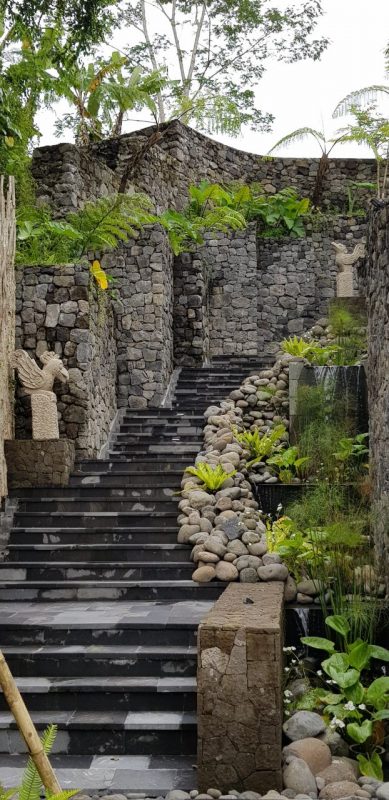
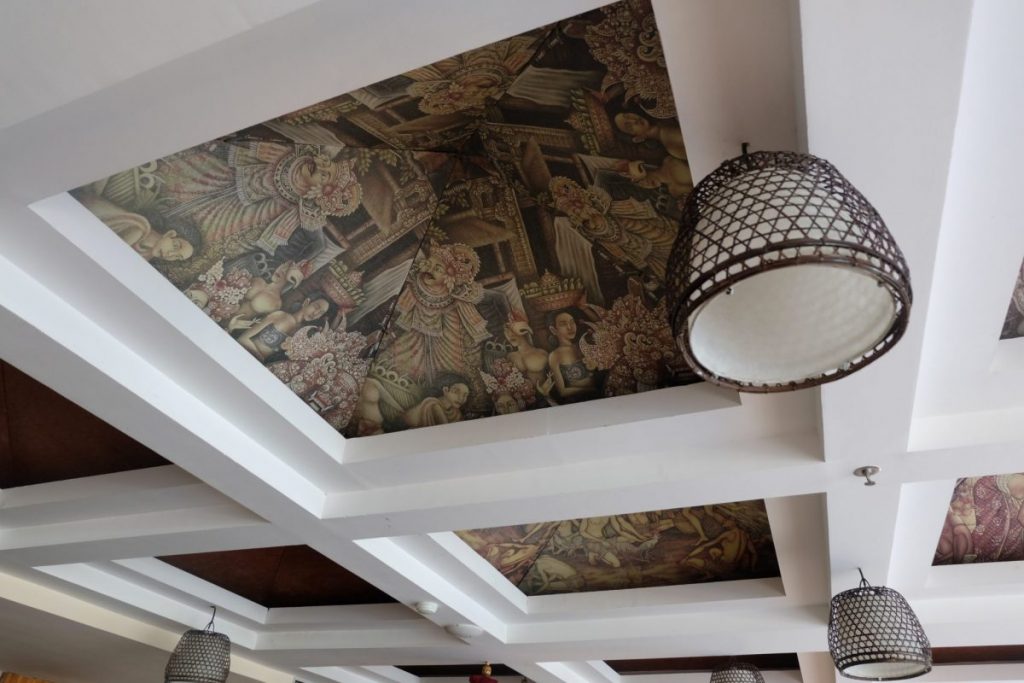
Art has been a part of human culture in some capacity or other since ancient times. It serves as a medium of not only personal self-expression, but also as a way to communicate the artist’s view of reality to other people. Working in the design industry allows us to create our own medium to express our idea. We can convey it not only through architecture and landscape design but also down to the pieces of the artworks. Artwork is an inseparable element in architecture and landscape. Some say it is the soul, others say it is the characteristic of the design as a whole. Artwork communicates the concept, and often the display of artwork more than pleases the eyes, but also touches the heart. Furthermore,not only for aesthetic values but the display of artwork is functioned as many things including for lighting, water fountain and even stepping.

We always incorporate many kind of artworks into our landscape design following each concept. Artwork can be translated into many forms including statues, sculptures, paintings, photography and installment. Depending on the space, 2 dimension artwork like painting and photography often displayed inside the building. While 3 dimension artwork such sculpture and art installation is normally exhibited outdoor as it typically takes up space. We mostly display statue, sculpture or water feature since we have numerous number of landscape project.

The Artwork of SHL Asia

Each project of course, has different concept with its artwork, some of the examples include our Natya project, Tanadewa project and Hyatt project. Following its landscape concept which is incorporating the village’s life of Bali and elevate it to the hospitality level, the artworks in our Natya resort project inspired by the things we often see in the villages. These things could be objects like chicken cages and cow bells or even the village people themselves, as we portrayed them in a relief on a wall along the pathway. The relief tells stories about daily activity in the village like a mother feeding their children or the farmer harvesting his crop.

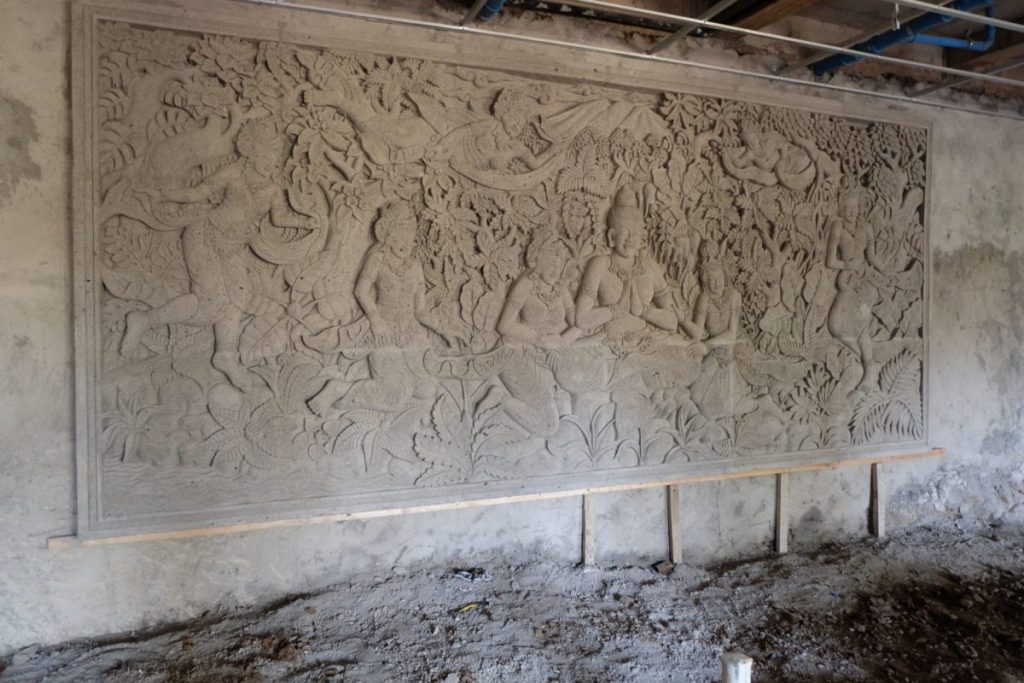
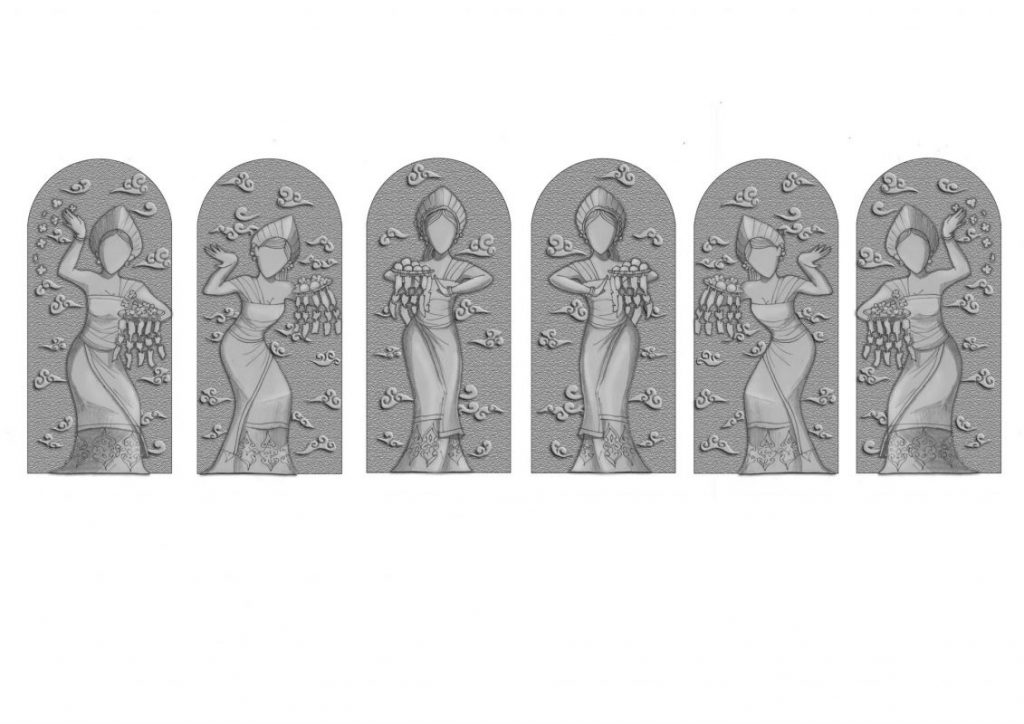
Our other project, takes on the concept of the gods and goddess from the folk story. As like the name “Tanadewa” from Tana (land) and Dewa (God) which means Land of the Gods, the design of the artworks portrays this concept. We display a relief of the dancing goddess in some spots inside the resort. There is also a relief of Balinese mythology about Arjunawiwaha which is the story about Arjuna getting rewarded with 7 beautiful apsaras (female spirit in a Hindu culture) after accomplishing some tasks. All the statues and relief are nicely done by our artwork supplier, 66 Pottery Bali.

Different concept and artwork is displayed in Hyatt Regency Sanur. This resort is one of the pioneers in the island. We are restoring it without erasing the original characteristic of Hyatt. Working on the landscape design, we are collaborating with Tiera Design from Thailand and Ketut Suratman from Rimba Bali. In creating the statues and sculptures, we team up with the local Bali sculpture, I Wayan Sugawa from Taro Arca Dewata which has more than 20 years as a sculptor. All the newer artworks including statues, water fountains and fire torches are implementing the classic Balinese style, with the more antique feels.

Most of our landscape designs integrate tropical Balinese concept, with lush vibrant softscape combines with natural materials like woods and different kind of stones for the hardscape. Therefore our pieces of artwork are also mostly influenced with Balinese style and characteristic. We enhanced it with the flair of local values such tropical wildlife and nature, Bali daily life, or folk stories. We let our designs act as the storyteller to enhance people different life experiences. The aim is not necessarily to create the artwork that would be loved or not loved, but to add something new to the whole design and make people think about it.

Cheers,

SHL Asia Team

IMG-20180427-WA0011 (1)

The Weekend House Project: A Balinese Style Architecture in the City of Rain

Indonesia has thousands of islands with multicultural traditions that embellish every corner of the island. Every city holds different custom and characteristic that distinguish them from one another, but it doesn’t necessarily belong to one. Taking this architecture project as an example, the owner wanted to bring the Balinese architecture in to the City of Rain, Bogor, in West Java. Although Balinese architecture is influenced by ancient Javanese elements, this centuries-old style of design is also heavily influenced by Bali’s Hindu traditions making it very distinctly unique as well as appropriate in the highland of Bogor.

This private weekend house nestled amidst the beautiful nature of Bogor. Living in a big city, the owners yearned for relaxing exclusive retreat surrounded by nature and tranquility. The location is hidden from the buzzling crowd of the city but is still reachable. It was built for their weekend getaway when they want to spend peaceful quality time with their family and friends. Hence we designed the house to be spacious with a lot of features to maximize the user convenient and comfort, such as large living room and dining room, a greenhouse for gardening and a reading/lounging corner.

In a 3 hectares area comprise of rice fields and plantation land, the buildings stand amid the stunning surrounding of pine forest and a crystal clear river. Because of its amazing view, we wanted to preserve the nature and keep the building area just enough to accommodate all the needs. We built the house on less than 10% of the whole area. The house was also built on a mound land area where it used to be an existing building, without ruining the agricultural land. The owner wanted to keep the rice fields and most of the existing plantation and trees as they are so the land workers can still work on the agricultural.

Although the owners are not originated from Bali, they take a huge interest in Balinese culture. As a result we designed the building very much influenced by the Balinese architecture style. Like on most houses in Bali, we implemented some of the Balinese building’s characteristics. We implemented pepalihan, a form of stair-like shape arranged repeatedly in three levels upward or downward that function as a design feature. Another feature is Balinese houses’ exposed ceiling, where we can see the wooden roof structure (usuk).

Following the concept, we applied materials that are commonly found in the Balinese structures, such kerobokan paras stone for the walls, exposed red bricks and sirap roof from ironwood. For the roof, we employed knockdown roof structures that we brought over from Bali. Most of the materials used to construct the buildings were carried straight from Bali so they would really give the authentic feels. The artworks also take on Balinese characteristic with wooden statues and a lot of carvings.

Surrounded by beautiful lush greeneries and trees, we designed a lot of opening for the buildings. Each building has big windows and door glasses for view purposes and as a direct access to the nature. These openings also allow light and air to circulate into the building. The establishment of Balinese style houses in West Java landscape is just one of the displays of the harmonious diversity of Indonesia architectural culture. We could not be anymore pleased than to project Balinese architecture style in a land outside the Island of Bali.

Cheers,

SHL Asia team

WhatsApp-Image-2018-07-27-at-18.31.01

Company Anniversary: Celebrate The Journey of SHL Asia

Happy 8th year anniversary SHL Asia!!! Last week of July marked our 8th anniversary of being in the business. As they say, success is a journey and not a destination. While our success story will keep going on, we have set a milestone of completion of eight successful years into our landscape and architecture projects and of course a lot of hard work. Indeed, 8 is not a fairly big number but so many things have had happened that have shaped us into as we are right now. On 2010, our co-founders – embarked on their journey towards the dream of creating landscape hospitality architecture. As the number grows, we still strive in making beautiful designs and delivering the best service to the client.

Without a doubt, any company’s business growth depends upon the hard work of all employees. No individual can ever take the credit of all those years of success and hard work alone. The accomplishments of a company are the results of the combined efforts of every individual and team work. And although nothing can ever sufficiently show the appreciation, we wanted to celebrate our journey with all the employees of SHL Asia. Here is the greatest gratitude for the dedication, for the hard work and of course for all the ideas and inspirations. A feast by the beach, the casual and personal vibe, and nothing but good time.

We are celebrating this for all the hard work, laugh, sweat and the devotion that we have poured in to the success of SHL Asia. We started out small however we had big visions and always put our mind into providing a level of service with an aim to outdo ourselves. All we want to say is thank you to everyone who has supported us, worked with us, taken a chance on us and believed in us. Here is to many, many more exciting and inspiring years ahead!

Cheers,

SHL Asia team

18298410_293900317720177_3807098464743981056_n

The New Means of Hospitality: Redefining Luxury

Welcome to Cloud Nine

The amazing fertility of the Balinese soil has accorded the Balinese a lot of leisure time, aside from their work as peasants, and stimulated their imagination and creativity. They would channel their creativity in such artistic ways even down on to their daily activities, such as the art of making offerings and the custom of rituals and ceremonies. Blessed with breathtaking nature and rich culture makes Bali is a hotspot for a restful and relaxing retreat. No wonder numerous lavish resorts and polished villas spring in every corner of the island, making it the island of hospitality, as well as a luxurious vacation destination. Breaking the stereotype of “luxury villa”, Cloud Nine Esatate is one of our landscape projects in Ubud has proven to portray a new approach to luxury hospitality.

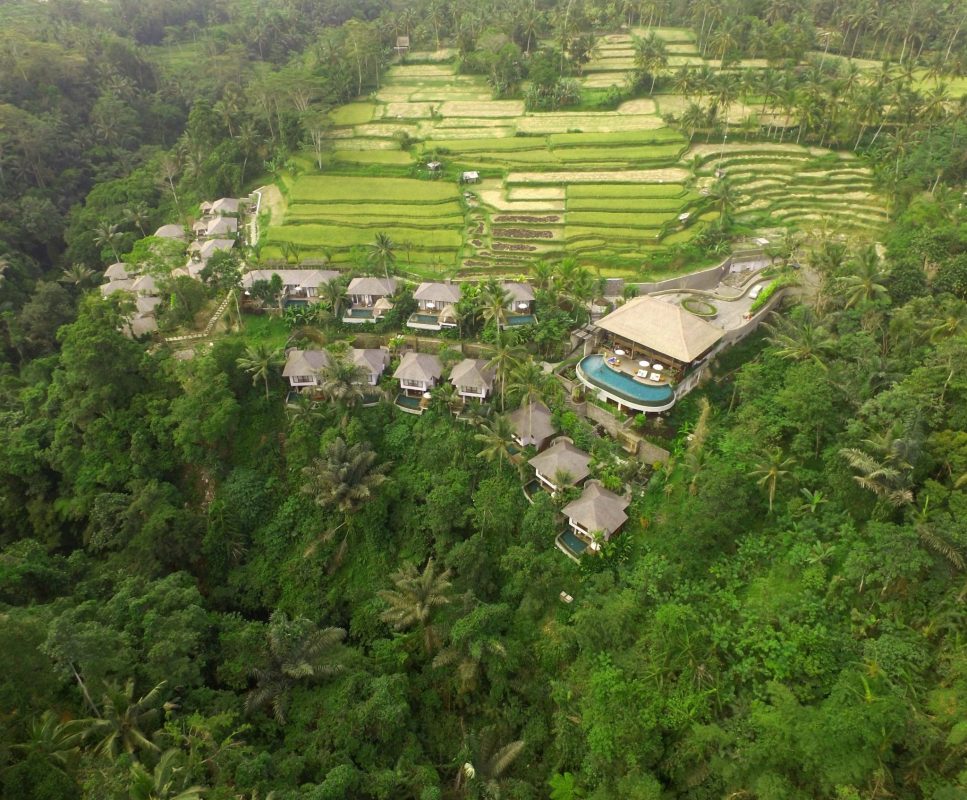
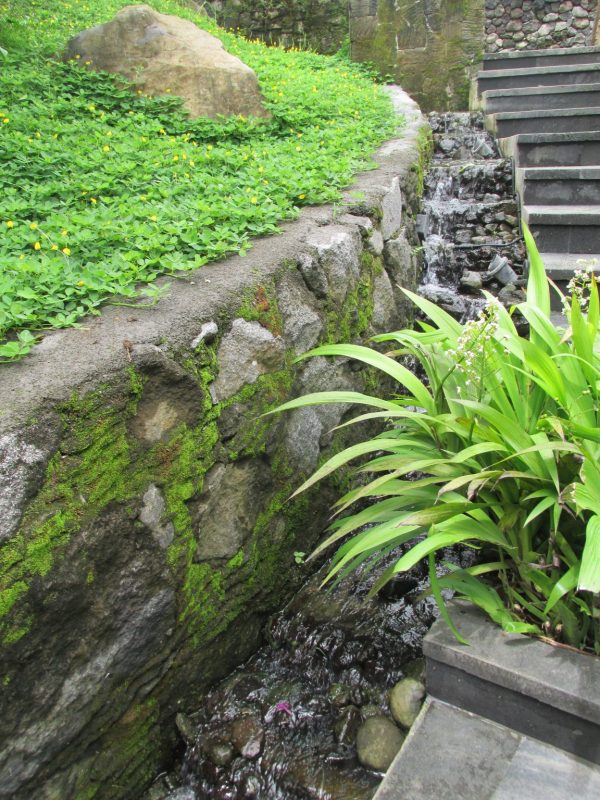
Tucked in a cliff top of Ubud, Cloud Nine Estate may not look as it seems from the outside. It is veiled from the bustling crowd of people, away from the hustle of downtown Ubud, a hidden gem amidst the lush greens of Ubud. From the main road, the guests follow a mossy stairway down to the estate; and are served a million dollar view of the massive Wos River and valley.  The estate consists of 3 different houses at the moment (who knows if they would expand anytime soon!), named Star Cloud Villa, Lotus Cloud Villa and Angel Cloud is a two storey villa comprising three suites – Anjali, Tara and Dewi suite. We made each villa to have a different focal point and unique features, like the amazing cliff edge panoramic view, the beautiful tropical garden or a direct access to the infinity shared pool.

We designed the landscape to be as eye-catching to complement the whole concept really well. The first impression guests receive on arrival is an all-white themed angkul-angkul (Balinese gate) and boundary wall that somewhat reminds them of arriving at a dreamy peaceful sanctuary. We felt the color white really brings out ‘the Cloud Nine’ vibe down to the every boundary wall and pathway, as it also stands out among the greens surrounding the estate. A “heavenly” feeling… That was exactly what the client wished to deliver to the guests, for them to experience ultimate calmness and tranquility as they enter the Cloud Nine, therefore we assisted them to achieve this.

Luxury at its finest

Cloud Nine mission is to redefine luxury. What exactly is the meaning of “redefining luxury?” A fancy chandelier, some high-tech facilities or marbled floor and tables will come up in a lot of people’s mind when they think of luxury resort, but it is different when it comes to the Cloud Nine Estate. Cloud Nine Estate aims to re conceptualize luxury as so much more than fancy things, luxury that is found in the smallest and simplest details.Things like hand-picked vegetable from the garden, the personal care and connection from people of the village and the vibrant sound of nature waking you up in the morning. In short, it is something that is felt by the heart. We loved the idea and delighted to help them making it come true through our landscape design.

The timeless echo architecture

The architecture of their buildings was inspired from the owner previous home in Singapore with big walls and monochromatic color of white and grey. It was a colonial tropical villa that has lasted since World War I. It lasted without the need for much maintenance or changing of materials. The building was showcasing many eco-architectural features such as cross-ventilation and strategic shading. The houses applied simple yet strong materials with a lot of white polished cement.

The landscape of course, synergized the concept of the building. We inspired to bring in the simplicity of localness from one of the traditional villages. It is designed with massive walls and few plantations. We kept it to be very simple yet eye-catching, with only a touch of green plants and trees amidst the white washed ocean of walls and floors. On the landscape, we applied white terrazzo as the pathway and a little touch of woods on the decks. Even with the artworks and design features, the clients involved so much in the process, carefully hand-picking them to create a harmonious atmosphere and we helped them creating the design that contains of local story. We also made sure to not ruin the aesthetic by adding to much color to the whole picture.

Embraced by the sturdy old colonial houses, the client wished for the villa to be long lasting with a minimum amount of maintenance and remodeling. The overall design is very timeless and eco-friendly. We have worked together to apply the concept very neatly in every aspect of the estate and consistently practice in to every slight detail, proven why they are the global winner for the luxury eco villa. Cloud Nine Estate manage to accentuate the luxury in the simplest thing in life and deliver them splendidly to the guest, since truly the best things in life are often felt by heart. We are so thrilled to be involved in such an inspiring project.

Cheers,

SHL Asia Team

IMAGE COURTESY: @CLOUDNINEESTATE
Slide21crop

Landscaping A Tropical Garden: An Oasis In the Midst of Limestone Field

Aesthetically pleasing tropical garden

One should appear lush and vibrant; this can be accomplished through dense planting of proper trees, greens and flowering plants. A tropical garden must features tropical plants and requires a good deal of sunlight and a warm, moist climate. These gardens need a good amount of water from either rainfall or decent irrigation system or sprinkler system in order to thrive well. In planting out the garden, there are some things to consider about. The major variables include the location of the site, and the placement and density of the plants and the selection of softscape and hardscape. It all of course, comes back to the personal preference, but in creating a good aesthetically pleasing garden will have to contemplate on these variables. In this month’s article we will bring you a case study from one of our landscape projects: Kapungkur Villa.

An arid hills

The villa is located in Karangsari, a village in Jimbaran. Geographically the area is in South Kuta, Badung district. The area is more known as Bukit (hills) where most of the area is situated on a karst plateau. Unlike the area in the north part of Badung where the land consists of volcanic materials, Bukit area is mostly contain of limestone. Contrasting from the other parts of Badung which the soil holds a lot of minerals making it very fertile, the soil in Bukit area is rather dry and not suitable for agriculture. The area also only has periodic rivers where the water only flows when it is raining and the groundwater filling process only happens during the rainy season. Although sited in a dry location, it did not stop the owner to seek after creating a green oasis.

Throwback from the past

The landscape concept idea of the villa was royal village. The owner wanted to give out the nuance of the past hence, the name itself, “Kapungkur” comes from a Sundanese word which means dahulu (the past). It would show the characteristic of royal village with contemporary looks, privacy and involves historical value in the components of the landscape. It also has a mixed of Javanese and Balinese traditional contemporary style. The villas are using frameworks of a traditional Javanese house, or Joglo, with the Balinese accents here and there.

The first step is..

Before selecting the variety of plants, we first must have to identify the “issue” on the site. The biggest issue with this site was the existence of an apartment building behind it. The apartment is at least a few stories building. This gave it a viewing access over the site, affecting the privacy of the villa. Therefore, in order to sort it out, we chose to plant tall trees like coconut tree (cocos nucifera) and wide, dense trees such African tulip tree (spatodhea campanulata) along the border wall in the back area. Further, to really block the view from the top, we built a a six meters vertical garden with double butterfly pea (clitoria ternatea var. pleniflora) that would also give appealing visual with its violet flowers.

In addition, the owner wished to bring the lushness to this dry area. As a result, we had to select plants and trees that would grow well with such condition and still appear vibrant and dense in order to deliver that kind of ambience to the landscape. Therefore, we chose a variety of different high and low shrubs from crystal anthurium (anthurium crystallinum), giant taro (alocasia macrorrhizos), cuban cigar (calathea lutea), plum aralia (polyscias scutellaria) to fern-leaf aralia (polyscias cumingiana). Most of this vegetation will thrive well with moderate water and full sun exposure. It made them suitable with the soil condition in Bukitarea, but of course still follows with intense maintenance. Some of these shrubs could be found around the yard in old village houses. This would bring the traditional value and nostalgic nuance to the residence. We also planted flamboyant (delonix regia) and bael (aegle marmelos) on a few spots to add some accents

The magic touch of hardscape

Aside from softscape, the presence of hardscape in a tropical garden is as crucial. It functions as the “backbone” of the garden by giving it structure and unifies it with the surrounding environment, completing the whole vista. We installed a few ponds, a pool and some traditional-contemporary artworks around the site.

The gardens of Kapungkur Villa built in two levels following the contour of the site. We built the main ponds on higher parts of a property so that they can gravity-feed water down the garden and ponds below, creating a little creek. Combining the water element to the landscape would appeal to all the senses, enhancing peacefulness and freshness.

For the artworks, we set up statues and a Balinese relief on the wall to follow the whole concept of Kapungkur. To achieved our costumed artworks we also worked together with the local artists and craftsmen to really bring out the sense of localness.

There are many things to consider in planning out and creating a beautiful functioning tropical garden. Things like location and the condition of soil will determine what kind of plants will be planted on the site. The desired concept will as well decide the placement and density of each softscape and hardscape. As in building the tropical garden of Kapungkur Villa, its location was the main thing to really consider about. Therefore we selected the plants that would only need fewer requirements but still grow beautifully. We placed them with a combination of different heights to make it appear dense and lush. And then wrapped all up with the touch of appropriate hardscapes to the landscape. The outcome came out harmoniously as projected in the video down below.

https://www.youtube.com/watch?v=478n2cDmdHI

Cheers,

SHL Asia team

P5-967x800

Behind The Scene: The Creative Process of Making The Landscape Design of Natya Resort Ubud

How do architects

actually find inspiration and ideas, and then make them come alive? It is not an easy process, nor a linear one. Being creative is work, it takes time and effort. Ideas can be found in every place and every situation, even when you expect it the least. Creative process of an architect may differ from one another. One may just spend some quiet time and find a muse. While others may go out door or spend a lot of time on site. We would walk through the property and explore the area as the inspiration for Natya Resorts came to us.

For us, one of the initial and crucial processes in finding inspiration is to be open-minded and to take in any possibility out there. The process in making Natya Resort landscape design, of course, involved a lot of research and observation like in every other project. We spent some time on site to study the landscape as we wanted to truly feel the ambiance and it helped us to figure out what kind of story we would want to bring to the table. As architects, we always wish to provide unique experiences in every project to give a personal touch for people to remember hence, it is important to differentiate each project by paying more attention to details.

Since this project is located in Ubud,

Bali’s highland, we had to understand first the texture and contour of the landscape surrounding Ubud. The area is truly blessed with plenty of rainfall which makes the river flowing, rich soil, bountiful jungle and paddy rice all year around. These are the things that people come to Ubud for, it is what makes Ubud perfect for a peaceful and romantic retreat. The site is nestle deep in the heart of Ubud rain forest preserve. It is situated on the sides of a steep valley, a rather unusual land contour which was quite challenging. Another thing to keep in mind was that not only we had to preserve the native environment and nature, but also to respect the local tradition.

A couple of the concepts

we used for Natya Resort Ubud are the concept of “tegalan” and “subak.” Tegalan is a term for agricultural land turned into a plantation field, containing different variety of fruit trees and vegetation. As for subak, not only it functions as irrigation system for paddy fields in Bali but also a direct overview of the philosophy of Tri Hita Karana for Balinese people. There are a lot of tegalan and subak throughout the area, due to the richness and fertility of Ubud. We wanted to elevate the concept of tegalan and subak to the level of hospitality as in resorts and villa for this project.

The range of tropical fruit trees includes:

  • water apple (syzygium aqueum)
  • sugar apple (annona squamosa)
  • banana (musa acuminate)
  • jackfruit (artocarpus heterophyllus)
  • bilimbi (averrhoa bilimbi)
  • kedondong (spondias dulcis)
  • coconut tree (cocos nucifera)

We also applied tropical native and decorative trees and shrubs, such as:

  • frangipani (plumeria)
  • butterfly tree (bauhinia ‘blakeana’)
  • traveller’s palm (ravenala madagascariensis)
  • tower tree (schizolobium parahyba)
  • weeping fig (ficus benjamina)
  • ferns tree (nephrolepis exaltata)
  • bird nest (asplenium nidus)
  • cola de paloma (xiphidium caeruleum)

Some of these flower plants and tress function as plants of birds, they would attract birds which is also good for the environment. They planted scattered all through the site, all along the pathways and around the villas. Meanwhile, we integrated the original subak to the manmade subak which flowing through the site.

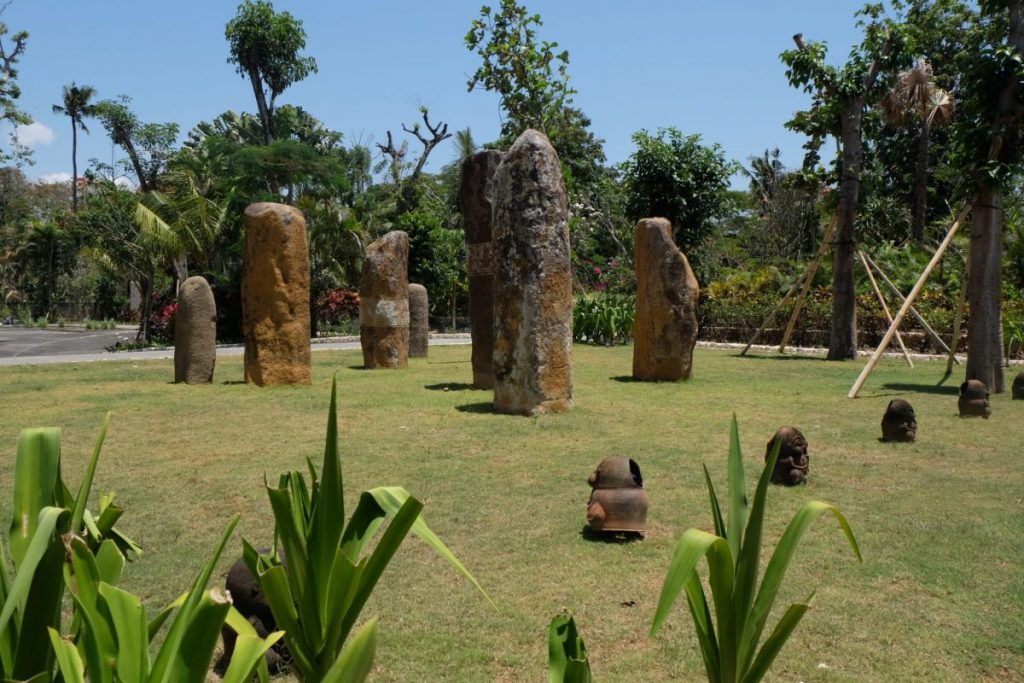
Another concept for Natya came when thinking about Ubud as the heart of culture and art. It gave us an idea to bring the daily life of Bali through the details of artworks, and the application of local materials. Things such as chicken cages and cow’s bell that are part of village landscape were utilized as lamp cases and hanging decoration. The pergolas all over the resort implemented hardwood like ironwood that is proper for outdoor usage. The relief carvings of Bali’s daily life and folk stories on some kerobokan sandstone walls along the pathway in the project. We as well placed statues from sandstone and wooden artworks in every corner of the resort. We hoped these little; precise details will tell stories to the guests, adding a nice touch to their experience.

[smartslider3 slider=”4″]

Besides spending time on site, we would also spend hours looking at images and talking to the architect and clients. The landscape must be build to complement the buildings and vice versa hence, the conversation with the architect is also crucial. We wanted to design the landscape so the buildings seem blending beautifully with the surrounding nature. We plant a lot of trees that function as a barrier to keep privacy and especially to preserve the lush nature of the site because the buildings were designed to be nature oriented. This will ensure the guests can interact with nature from the privacy of their vil

Talking to our clients is another thing in designing this project. We must know what the clients want and need. We tried our best to visualize it and were pleased to have one vision regarding the Natya Resort project with the owner. We seem to have a great synergy and often give each other feedback.  The creative process in making the design of Natya Project was challenging and thrilling at the same time. Inspiration and ideas really came from many sources. We embraced them and incorporate one another with the result of some beautiful harmonious elements which makes Natya Resort truly one and only. For more insight of the landscape design, check out our video down below!

https://youtu.be/z91DIIShMos

Cheers,

SHL Asia team

DSCF7566-533x800

Modern Day Kartini: Women’s Breakthrough in Architecture

April 21st…

has declared as ‘Kartini Day’ by the first President of Indonesia, Ir. Soekarno. It was the birth date of Raden Adjeng Kartini, a notable national heroine for women’s right. She was a pioneer in the area of education for girls and women. She had fought for women emancipation, especially to obtain women’s privilege to go to school or work. Kartini dared to question the right of women for their freedom, equality and legal authority. Her concerns were not only about women’s emancipation but also regarding other social issues in her society.

More than a century after the death of Raden Ajeng Kartini, the old saying that a woman’s place is to stay at home appears to be no longer valid. Although there are some groups of people that still following the traditional custom, but in the past decades, development and social change in Indonesia have facilitated profound changes in women’s work participation. In many area of profession, the gender gap is narrowed. However, what about the women in architecture?

Unfortunately,

the role of women in architecture is still considerably low compare to the percentage of man in the industry. Women still have less recognition in the architectural world, not only in Indonesia, but it also applied in other countries. According to Jane Duncan, the former President of Royal Institute of British Architects, women represent 44 percent on the entry level, but the numbers drop off before they reach on to the next stage. Which is for the second degree and the training to reach the professional qualification. Many approved when women have graduated and moved on to the real work, usually men are easier to thrive and get recognize as architects. The common stereotype is a lot of people still consider architect as a ‘masculine’ profession. That is why women tend to avoid it, especially those with family.

Moreover in Indonesia, just like in any country, still holds its traditions and culture of women. And it is rather hard to let go of them because since ancient time the world designed and constructed by men, based on the fact that most of the history is patriarchal. However, we live in a very dynamic world and architecture is really a broad scope to start with, it covers a lot of aspects.

Depends on which side people view the architecture itself. Architecture can be technical; it can be environmental or even art. With that said, for women to be involved in the architecture do not necessarily have to be an architect. It doesn’t have to be involved in a technical way. For example, a journalist might contribute more to urban design than many of the creators and builders of the physical environment.

Amongst the small number

of women in Indonesian architecture, Imelda Akmal, an architecture author and founder of Imelda Akmal Architecture Writer Studio (IAAW) has succeed owning a reputable reputation in Indonesian architecture despite also being a full time wife and mother for her family. She has been in the industry for more than 20 years. Imelda started out as a magazine writer then continued her study for Architecture Theory and Critics to England and finally opened her own architecture publication studio with the support from her husband.

She managed to publish a lot of architectural documentation of her works as well as local and overseas architects. Many of her publication have influence Indonesian architecture by bringing the latest trends or presenting the work of a certain architect. They shape not only architecture trends in the country but also in the region of Southeast Asia. Her writing and publication are used by many parties. From architectural observer, related industries, academicians to students as references for architect and architecture development. It is also recognized has helped a lot of architects in doing their works. Of course, the achievements and kudos are the result of her hard work, dedication and believe.

In conclusion, it is not about expecting for the system to change. It it is about women expecting more of them, and that way the system can be changed. Just like Kartini, she had expected women more of what they were then. She expected women to have the right of equality and do more than just sitting at home. Women should believe on what they capable of doing in any profession, including to all the women in architecture. Women have and will always own the power in breaking the stereotype, making a breakthrough, shaping structures, influencing architecture, even designing the cities all over the world, no less than men do. Happy Kartini’s Day to all Kartini in Indonesia!

Cheers,

SHL Asia team

DSCF6954-1200x800

Happy Indonesian ARchiTecture Day

Did you know?

In Indonesia, 18th of March is commemorated as Architectural Day?? We reckon not many people aware of this, as it is not as popular or not reported as much. Although it has been recognized by the government, but how about the people itself?. It is really unfortunate that a lot of people still very unfamiliar with this. The unpopularity of architectural day could be because some people still view architecture as complicated matters. Many of them think it only belongs to some group of people, which is very much limited and exclusive. How many people actually talk about architecture, façade, or building materials?

Little did we know, architecture is a lot simpler and closer to us on a daily basis. A quick example is the increasing usage of social media like Instagram. Majority of people would look for aesthetically pleasing building designs or unique building features for their Instagram post. Which is very much the art. So to say architecture is only about technical isn’t all true. And It is a lot more common than most people think.

Architecture for Indonesia

With that said, even though Architectural Day is not celebrated as national holiday, but Indonesia as a nation still has to appreciate the history and work of architectures. The map of Indonesian architecture, of course cannot be separated from the role of architects. They have had designed and built architectural works across the country that have become part of people and culture of Indonesia. We too, would like to contribute in producing architecture designs that are appropriate and beneficial for Indonesia, functionally and culturally.

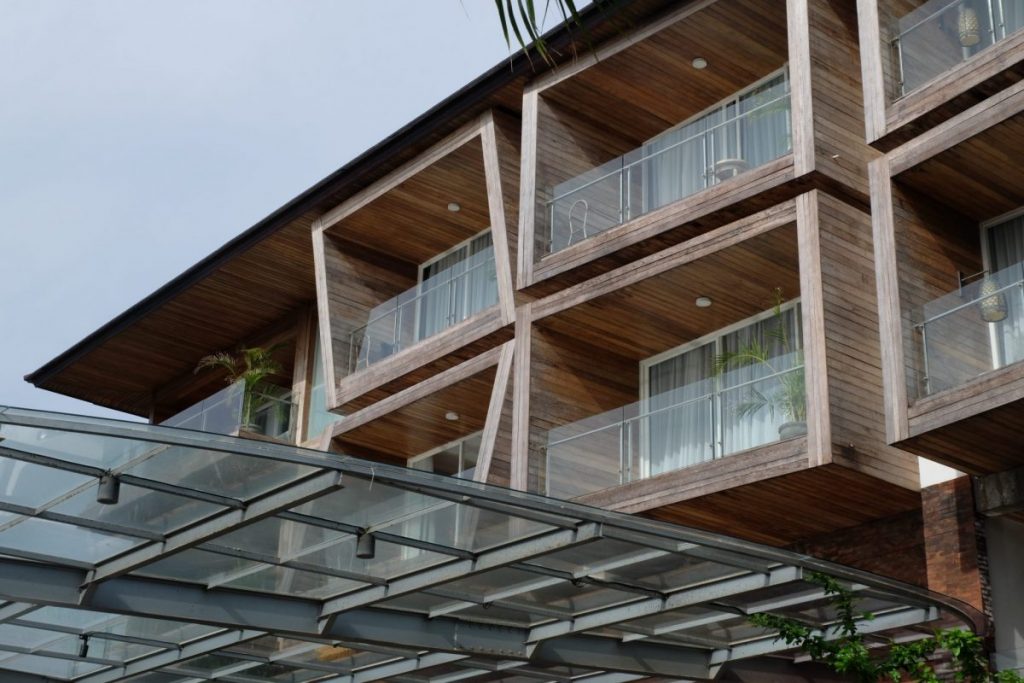
While we are on this topic, this month’s article will features one of our architecture projects located in Jimbaran, Bali. We have done not only landscape projects in the past, but also quite a few architectural projects. This architecture project was somewhat special as it was quite challenging for us. Jimbaran Bay Beach resort and spa was a project that took a bit more effort in the designing process. Since we specialized in landscape design, we normally play around with big space and contour. While the original site of Jimbaran Bay beach was limited and there was almost no space for landscape area. Therefore we needed to design a building with limited space but still look spacious and of course with greenery involved.

The trick we used

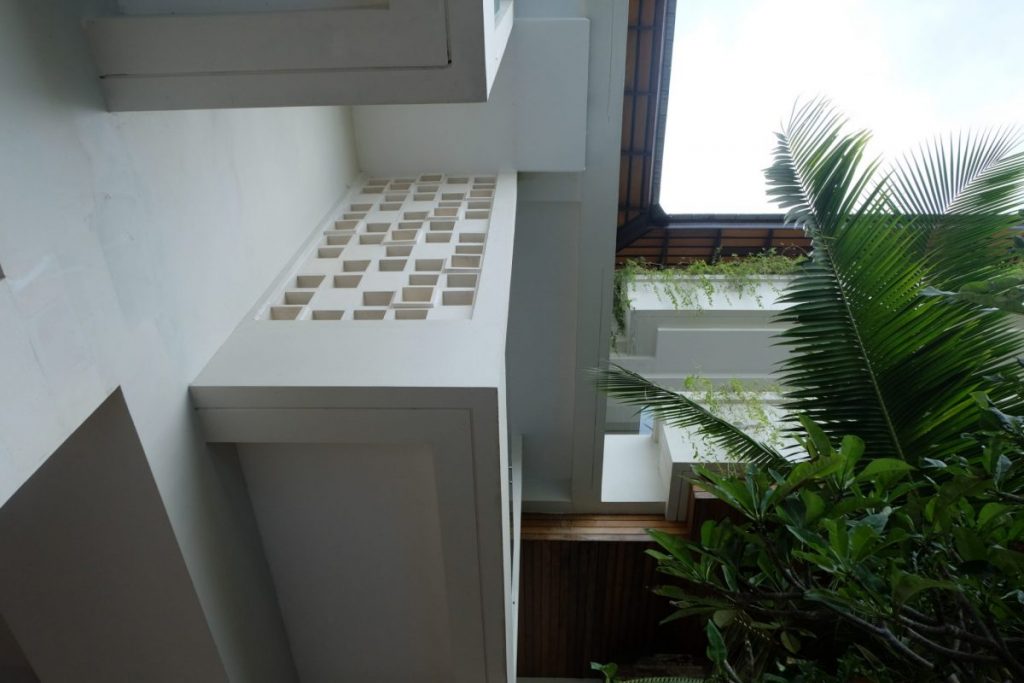
was applied an open space concept and shied away from installing too many walls and windows. We created high ceiling lobby and semi outdoor restaurant. Their function was to make the illusion of a bigger space as they are connected to the outdoor area. The concept also encourages the air flow at the ground level to relieve the high humidity in the tropical climate. In the other hand, there was not much space left for the landscape area. So we planted greenery and vines along the wall and the building itself.

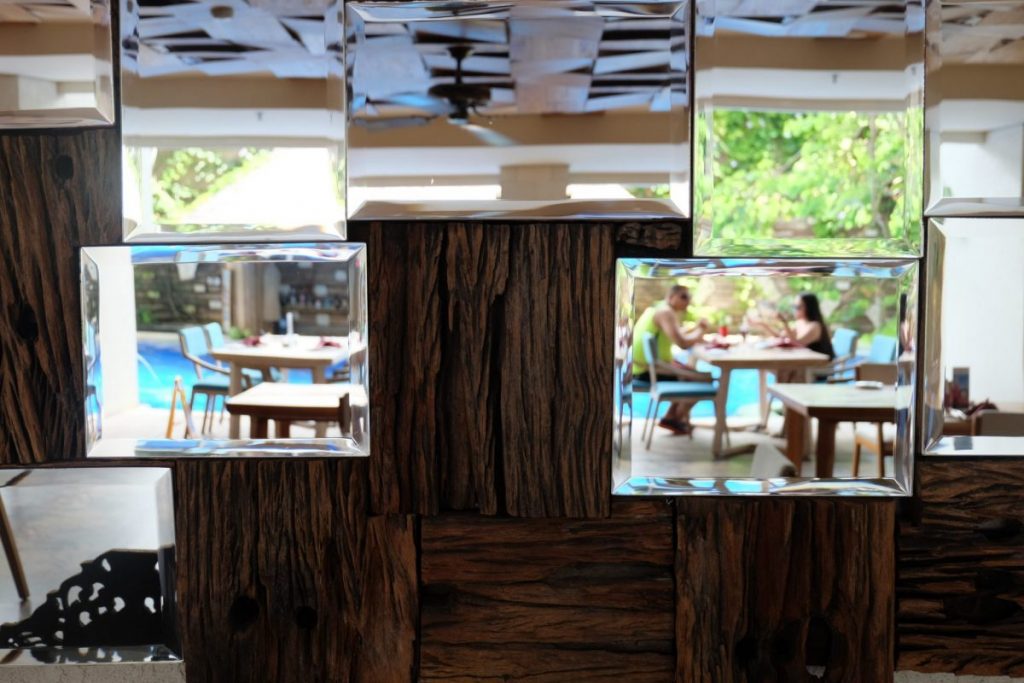
We wanted to bring out the Bali contemporary concept to the building by using a lot of local textures and material. We played with a lot of wood accents, bricks and natural stone. The contemporary concept is coming from the application of local materials in slightly more modern manner. For example the utilization of sandstone carved in to a contemporary floral design as artwork. Since architecture is also a form of art, we placed pieces of artworks all over the site enhancing the experience for guests and to satisfy their desire for art.

All things considered, with this project we would like to also contribute to the Indonesian map of architecture. We appreciate the works all Indonesian architects have done. They have given a significant impact to the history and community. Therefore as a part of it, we strive to also produce designs and architecture that will suitable and fulfill the need of Indonesian people and culture now and also in the future.

Cheers,

SHL Asia team

10c87971-832a-47ca-a89b-561d51091991-1067x800

For the Love of Intern

The month of February…

is also known as the month of love in many countries, including Indonesia. Although love is supposed to be shared and showed every day, but let us concentrate on give MORE LOVE throughout this month of February as well as in the future. This month’s article will be featured Carmen van Vroonhoven, our lovable on-going intern from the Netherlands.

We have been admitting interns since our early days. They have always been an important part in the company’s outgrowth. Not only because their contribution but also it is somewhat a way for us to give back. Since most of our interns are usually final year architecture students, we believe it could be a good opportunity before they are entering the real world of work. Having such an intimate work nuance definitely brings us closer to each other, including with all the interns. With this we hope to acknowledge and appreciate more.

The long of the internship programs can be vary from each intern, it is usually somewhere between 2-4 months. During this time, we grew closer and Carmen has become a part of us. Carmen started her internship program on November 11th 2017 and will be finish on March 9th 2018. She is now on her third year of university. She decided to join an intern program in Bali through an internship mediator back in her country.

Why here?

Why Indonesia? Or Bali, in particular? In her 23 years of life, she has been travelling across Europe. Her love for travelling has finally brought her here to get the taste of a tropical country. She also wanted to learn more about tropical plants. Currently, she is studying landscape engineering. A major focusing on work preparation and realization of public green spaces and infrastructure.

Since she lives in a 4 season country, the type of plants are very much different from plants in the tropical country such Indonesia. She would only learn on plants intended for a colder climate, like the Netherland. Here in Bali, the hospitality and tourism sector is growing rapidly. Resorts and hotels keep popping up left and right, villas are scattered in every part of the island and therefore Bali is a living catalogue for tropical landscape design. This intern experience is a whole new world for her.

The love ride of an intern

One of Carmen’s future plans is to have her own landscape construction company in the Netherland, hence she is focusing mostly on the more technical part for the landscape realization. This is one of the reasons she decided to join us, to have a deeper understanding on the design and visualization process. Since one of our specialization is in landscape design, she got really enthusiastic when was first offered the place. She was excited to learn new software and developing new skills. During her internship program she is placed in team C supervised by one of SHL Asia’s principles, Anang Rahman Hakim. She frequently came along for site visits to some of our projects. Her tasks are mainly support and assist any on-going project, such as on preliminary phase like making mood boards and plant images as well as working on 3D modelling.

No struggles, no progress…

She has faced some challenges throughout the program. Different language or culture is one thing but operating new software is another thing. She has been assisting on Bisma Garden project and working with a new Lumion program which was completely foreign for her. Lumion is 3D visualization software that offers the possibility to walk through the project area before the construction process started. It brings the 3D modelling comes alive. Learning new software in a short amount of time was not easy. However she managed to operate it of course with the help and support from her supervisor and all work mates. Another challenge for her was learning the different kind of vegetation between the tropical and subtropical plants with plants in the colder climate. She has to learn not only the different type of vegetation but also the names in different language, in order to work on preliminary phase to collect plant images. Regardless all challenges, she very much enjoyed the process and loved learning all the new things.

[smartslider3 slider=”5″]

I had an amazing time during this period and thanks for the education and fun from everyone. Also, I would like to thank all the employees of SHL ASIA for the excellent cooperation and the effort that it took to speak English. I will definitely return to Bali once!

All in all, every intern as well as all the alumni is very dear and close to our heart. They have given a significant contribution to the company’s progress and output. Not only Carmen, but it has always been a pleasure to have all the interns as a part of us. We have learned from each other and made good memories together. All this time it has been an ups and downs journey for us and the interns and they deserve no less of recognition as an intern.

Cheers,

SHL Asia Team